There is no shortage of options for yoga teacher training programs these days. However, just because a program is led by an experienced, certified instructor does not automatically mean it’s right for you. Picking a program is a personal decision that should be based on you and your needs.
One way you can accomplish your YTT is by doing it online. While this may intimidate some learners, there are numerous benefits to choosing this type of training specifically. Here are a few of the top perks of online yoga training.
1. There’s Less of a Time Commitment
If you’re currently working full time and already have a full schedule, the last thing you need is yet another item on your to-do list. While YTT is a time commitment no matter what, you’ll certainly save time when you choose to enroll in an online program. You won’t have to worry about transportation time and there’s no need to panic about getting caught in traffic.
In addition, you can often do the training when it works best for you. Rather than having to be at a certain place at a certain time, you can operate on your own schedule, whether that’s early morning, late night, or the middle of the day.
2. It Gives You More Freedom
If you’re someone who has to travel frequently for work or you simply like traveling, an online program will be perfect for you. No matter where you go, you can continue taking your class as long as you have an internet connection. You can’t say the same thing of an ordinary in-person class.
3. It’s More Affordable
Because you aren’t paying for overhead and studio time, you can usually count on online yoga teacher training courses to be more affordable than traditional in-person courses. If you’re trying to change careers on a budget, this is great! You’ll have to make a minimal investment in your continued education. You also won’t have to pay for transportation!
4. It’s Safer
Right now, you’re probably being a lot more cautious of shared spaces because of coronavirus.
Gyms are notoriously dirty places with different people constantly going in and out and touching everything. When you choose an online program, you can participate in the program from the comfort of your own home. As long as you choose a reputable program, you can expect all the quality training without any of the health risks. You’ll have increased peace of mind, and you won’t even have to wear a mask!
5. You Can Get the Best of the Best
Depending on where you are, you may not have a lot of options for experienced, certified YTT programs around you. You shouldn’t have to compromise on the quality of your training based on where you’re located. When you turn to online yoga training, you won’t have to compromise on the quality of a program. You’ll have a wider variety of options including programs that focus on your favorite style of yoga and the aspects of yoga you’re most excited about learning about.
6. You’ll Have More Access to Course Materials
Often when you opt for an online program, you will be able to keep the digital course materials indefinitely. You can continue to go back to the documents as often as you’d like to go over what doesn’t make sense and ensure you are truly absorbing all of the information. Even after you become a yoga instructor, you can continue to look at those materials to be the best teacher you can be.
7. Classmates from All Over the World
If you enroll in a local YTT course, you will usually only be in the program with students who live nearby. But when you choose to take your classes online, you will expand your yoga community big time! You will have the chance to meet other yoga teachers in training from all around the country and all over the world! This brings fresh perspective to the class, and you may end up with some fantastic friendships that span the globe.
Discover What YogaRenew Can Do for You
If you’re looking for the online yoga training program that’s perfect for you, browse our course options on YogaRenew. We have course programs ranging from 200 to 500 hours that go in-depth on yoga philosophy, yoga business marketing, human anatomy, and so much more! You’ll become the confident, qualified teacher you’ve always dreamed of being.
Yoga teachers are essentially communicators. Improving our verbal cues is key to teaching supportive, well-rounded and impactful yoga classes. More often than not, we’re leading a varied group of students with a range of learning styles, knowledge, expectations and emotional states. It’s important that every student feels accepted, guided and safe. Determining the most effective way to deliver our cues so everyone understands is tough, meaningful and essential work.
Think of verbal cueing as a practice of connecting with people through language. Our words will likely fall flat from time to time, but we’ll always have the opportunity to try again. If a cue results in confusion or students move in a way we didn’t intend, that’s helpful information. In that situation, try a different approach instead of moving on. Self-correcting in the moment reveals our leadership and care. Our students’ responses to our cues are feedback on the cue itself and are not judgements on our value as yoga teachers. Here are some tips for improving our communication skills in class:
1. Take a breath before speaking.
People take class to be led through an experience. They expect us to tell them what to do and when to do it. Improving the delivery of our cues through breathing keeps our classes running smoothly and with everyone on the same page.
Breathing mindfully calms our nerves so we can focus on what we’re saying. Even more, inhaling before we speak enables us to annunciate clearly and project our words so our students can hear and understand us. The physical mechanics of this make sense if we consider our own vocal experiences. Full lungs allow us to vocalize from our cores as opposed to speaking while taking shallow breaths, which results in timid or superficial sounds. With control of our breath, we can vary our tone to motivate our students, show excitement and express joy, which makes our cues even more effective.
2. Use clear and concise language.
Simple directions are easy to follow and that’s exactly what we need our students to do – follow our cues. Naming the body part and how or where it should move next is a solid formula for giving clear directions. Hands on the mat, hips back and relax shoulders away from the ears are good examples of this. Imagery, poetic language and a thought-provoking dharma talk are essential to serving our students well. However, think of these other elements as decorations, adorning the base cues to illuminate all the depth and wonder yoga has to offer.
When it comes to verbal instruction, less is more. We don’t want to muddy our key message with a lot of words and it’s important to give our students time in the poses without us talking so they can turn inward and listen to whatever surfaces. Keep it clear and concise, and allow the combination of breath and asana to work its magic.
3. Avoid abstract phrases and anatomical terms.
Cueing effectively means speaking the language of our students. We, the teachers, might be accustomed to certain terms or figures of speech, but these words may sound foreign to our students since everyone arrives with a different degree of familiarity with yoga.
We may have heard cues such as shine the heart forward or connect to the earth, and then use them in our classes. While these phrases may serve a purpose at times, they’re also abstract concepts that do not explicitly tell our students what to do. Saying open the chest or press the soles of your feet into the mat convey how we want our students to move or engage their muscles.
Using anatomical terms as opposed to common names when referencing body parts may throw students off as well. Most of us are unfamiliar with scientific terminology, nor do we think about our bodies in these terms. For example, using shoulder blade instead of scapula in a cue will be clearer for the majority of the people in the room.
It’s worth improving our communication skills since language is a bridge for connecting with our students. The more effectively we communicate, the more successful we’ll be at creating opportunities for people to develop body awareness, physical strength and calm, steady minds.
Claire Papell is a writer and yoga teacher (RYT-500) committed to revealing and honoring the hard truths of being human. Her yoga education included extensive study of the rich tradition of bhakti-yoga – the yoga of devotional service. Through the reading of sacred texts, yogic philosophy and kirtan, she developed a deep and persistent wonderment about Spirit. Claire is also a regular content contributor for YogaRenew.
Claire believes the yoga tradition offers powerful tools for healing. She draws from personal experiences and her spiritual contemplations to present unique perspectives on grief, loss, and trauma. Through vivid language and a poetic voice, she hopes to connect closely to her readers. When leading a yoga class, Claire relates to her students with similar intention. Her personal yoga practice and teaching style emphasize thoughtful sequencing, steady pacing and unwavering emphasis on the breath. She designs each class to reveal what she values most about yoga, which is its remarkable ability to stretch our hearts – wonder-drenched and mystical places – so pain and joy, gratitude and grief can all exist, side by side.
Several years ago, I spent a summer in Ireland. For part of that time I lived alone in a cottage on the west coast of Connemara, right off the Atlantic ocean. Rolling peaks draped over the countryside behind me while the expansive, bare coastline made those rough waters feel even closer than they already were. The small house endured whatever weather the ocean delivered since there were no trees or hillsides to block the elements from rushing inland. I would often lay quietly, listening to the sound of the wind whipping around the house. It was rhythmic and calming. It had a tempo of filling up and letting go.
The late poet Mary Oliver offered this, “Attention is the beginning of devotion.” In terms of yoga, learning to focus on our breathing is foundational to nurturing a much deeper relationship with ourselves. When I started practicing yoga the most noteworthy change I experienced was my ability to pay attention to my breathing and to breathe deeply through a prāṇāyāma technique called Ujjāyi. When I returned home from Ireland and heard my breath sounds in the quiet yoga studio, my inhales and exhales sounded familiar in a new way. I realized that the pulse of those Atlantic gusts on the walls of the cottage sounded just like my Ujjāyi breath. Even more, I began to understand that the magnificent power of the wind off the ocean was the same elemental energy that existed within me.
The word prāṇa means vital breath, wind, energy and strength, and prāṇāyāma is the work of expanding and controlling the breath in order to sync our individual prāṇa with a universal one. One of the most impactful gifts we can offer our yoga students is the invitation to breathe deeply through Ujjāyi prāṇāyāma. The word Ujjāyi contains many meanings including expansion, victory and triumph. This powerful technique involves slightly constricting the muscles at the back of the throat while inhaling and exhaling through the nose. The air travels across the roof of the mouth creating audible, whisper-like breath sounds, similar to wind or waves. The idea is to create smooth, rhythmic cycles of breath by steadily transitioning between full inhales and exhales while pausing briefly in between each. It’s movement in the body, and you can hear it and feel it. Here are some tips and considerations for teaching Ujjāyi breath:
1. Breathe with your students.
Taking the breaths we prompt our students to take not only helps us remain calm and focused while teaching, but also supports a well-paced class so our students have time to practice linking their breath with their movements. Breathing audibly can feel vulnerable to students regardless of how long they’ve been practicing yoga. By joining them in the breath-work we’re modeling what we’re teaching and offering them companionship at the same time, which fosters fellowship and trust.
2. Teach Ujjāyi with exhalation through the mouth.
If our students have never practiced Ujjāyi prāṇāyāma, understanding the sounds they’re striving for may take time. A helpful way to introduce students to Ujjāyi breath sounds is by leading them through a few rounds with exhalation through the mouth. After instructing them to inhale deeply through the nose, cue them to exhale through a wide, open mouth as if they were trying to see their breath or warm their hands on a cold day, which creates a “ha” sound. Then direct them to continue breathing deeply and audibly but now inhaling and exhaling only through the nose.
3. Reminding students to breathe is enough.
In some cases it may take time for your students to become comfortable engaging Ujjāyi breath in class. If so, don’t worry. Keep teaching it and exploring different language to support them. A breath-focused dharma talk is very powerful. I often remind my students that the most important thing they’ll do in class is breathe. The act of focusing on our inhales and exhales is the essential first step to breathing deeply and still offers enormous benefit.
By learning to quiet my thoughts through focused breathing, I fostered a connection to something greater than myself. Whether it’s the wind at my doorstep or the breath in my body, these experiences of prāṇa nurture in me a state of unparalleled quiet that is deeply reverent, full of wonder and even prayerful. Inspiring our students to take full, deep breaths invites them to move beyond attention and towards relationship. It can encourage thoughtful self-reflection and, quite possibly, a sincere curiosity about the nature of Spirit.
Claire Papell is a writer and yoga teacher (RYT-500) committed to revealing and honoring the hard truths of being human. Her yoga education included extensive study of the rich tradition of bhakti-yoga – the yoga of devotional service. Through the reading of sacred texts, yogic philosophy and kirtan, she developed a deep and persistent wonderment about Spirit.
Claire believes the yoga tradition offers powerful tools for healing. She draws from personal experiences and her spiritual contemplations to present unique perspectives on grief, loss, and trauma. Through vivid language and a poetic voice, she hopes to connect closely to her readers. When leading a yoga class, Claire relates to her students with similar intention. Her personal yoga practice and teaching style emphasize thoughtful sequencing, steady pacing and unwavering emphasis on the breath. She designs each class to reveal what she values most about yoga, which is its remarkable ability to stretch our hearts – wonder-drenched and mystical places – so pain and joy, gratitude and grief can all exist, side by side.
Generally, yoga classes are predictable and constant. As a teacher, I find yoga students are mostly amiable and open to instruction, whether they are new to the practice, or I am the new instructor to an established class. Occasionally, however, situations arise in class that are challenging to us as teachers, and we must gracefully navigate the interference to insure a quality practice for the whole. Here, I offer you some common disruptions to a yoga practice, and techniques for keeping your sequence, students, and focus undisturbed.
1. Students Who Come Late or Leave Early
Sh!t happens: traffic, family issues, deadlines at work, a missed morning alarm clock… While the reasons may vary, tardiness is an occurrence that you can prepare for. Studio protocol varies. Some studios lock the door 15 minutes after class has begun. Some, like group exercise classes at a health club, have an open door policy. Once a late student has entered the asana room, it is the responsibility of the teacher to include them into the practice as smoothly as possible.
Lets run a few scenarios: You are guiding your opening mediation. All eyes are closed, and the room is quiet and still. A late student arrives with a rolled mat, a large bag, and a frazzled demeanor. Oftentimes, the late student is unaware of their disruptive effect on the class, and will noisily drop their bag, loudly walk to an open spot, and thwack down their mat. Before this can happen, silently go to them and indicate for the bag to be set down by the door, which eliminates the unnecessary sounds. Guide them to an open spot in the room, and gently take their rolled up mat into your hands, and set it down on the floor. Ask the student to quietly sit down, and wait to unroll the mat until movement begins. To anticipate late comers of this sort alleviates unnecessary disruption, and sets a standard for entering the asana space with awareness.
Another instance: It is twenty minutes into class and the studio door is locked. You are demonstrating Sun Salutes, and all of your students watching your instruction. A latecomer arrives, tries the door to no avail, and begins knocking loudly. Despite the interruption, you are beholden to class in progress. You are building their heart rate and establishing your pacing and flow. To stop your instruction, open the door, and guide the student into the asana room at this point is to prioritize the latecomer over the practice already in session. In this situation, it is best to leave the door locked, and continue teaching. If your studio has a policy of locking the door, avoid logistical issues with a notice stating the door is locked so many minutes after class has begun. Honoring the class schedule and the sanctity of the practice space by consistently locking the door at the specified time will teach your students timeliness and responsibility. In an alternate situation, with an unlocked door, the late student can enter and jump into the practice with little guidance. In this case, carry on with instruction, bringing as little attention to latecomer as possible.
After class, you can connect with your students and give them instruction on how they can gracefully enter the class late. Advise them to turn their phone off, put their keys away, take off their shoes, and open their mat all prior to entering the asana room. Encourage them to walk softly and find the nearest open space to practice. With guidance, even chronically late students can enter the asana space with little disruption, and receive the benefits of the practice.
On the flip side, students can abruptly pack up their belongings and leave the class before it’s done. Though the reasons vary, generally a student will let you know if they have to leave early. Usually this student will sit by the door, in anticipation of their departure. Encourage your student to sit and take five slow meditative breathes before they leave to properly conclude their practice. The best time to leave the practice early is just after asana, but prior to pranayama and mediation. Avoid situations where students leave during shavasana. Any disturbance in at this point in the practice is unsettling. If you have had this experience before, it is acceptable to let your entire class know that if they need to leave, do so before the lights are dimmed. This sets a standard for early departures in the future.
2. Attention Seeking Behaviors
Some students need more of your attention in class than others. New students may require additional instruction, injuries may need extra modifications, and misalignments need to be corrected. These conditions are normal to any class, and highlight your versatility as an instructor. However, there are students who regularly draw attention to themselves. Identifying attention seeking behaviors, or high needs students, will help you to conserve your energy and maintain the focus of your class. Though attention seeking behaviors vary, certain attributes can be addressed in order to maintain harmony and flow in your practice.
Some attention seeking behaviors present themselves easily. There is the student who talks during class, either to you, or to other students. To respond to this student encourages on-going dialogue. To allow for conversation among your students during class is a distraction to others. In response, you can offer the direction of “just breathe,” to the class as a whole, or discreetly remind the talkative student(s) to focus on their ujjayi. There is the student who exaggerates and dramatizes their poses and transitions, adding extra movement or flair that draws the attention of other students. As a teacher, pay no mind to their personal space. What draws your focus will also draw your students’ focus. In time, you can build your relationship with this student, and refine their transitions and postures as their trust in you deepens. There is the student who displays their discomfort as a call for attention. This may take the form of groans, moans, sighs, and vocal releases in postures they have aversion to. Again, direct the class as a whole to breathe in and out through their nose. In the case of excessive sounds, remind everyone that asana gets easier with practice and to “stay with it” for however many breaths remain in that pose. Finally, for the student who is restless or excessively coughing during shavasana, you can show them how to use blankets or bolsters to prop themselves up, elevating their chest for additional comfort. Sometimes, a small, individualized technique is enough for a student to feel special, which alleviates their need to seek out further attention.
My policy as a teacher is to treat all students equally, without focusing attention on one student more than another. Recognize the variance of one student receiving more assistance than others in terms of adjustments, instruction, or interaction. From there, assess if you are prompting the additional attention, or if the student is. For example, adjusting the same student several times during class, whereas others are not adjusted at all, creates imbalance among your students. The student receiving the adjustments may feel singled out, while the other students may feel ignored. Conversely, a high-needs student may feel entitled to personalized attention, and may even keep you after class with questions if you did not focus on them personally during class. If this happens regularly, take advantage of the opportunity to suggest private lessons. In this way, you can assert professional boundaries and your attention seeking student will benefit from the one-on-one instruction.
Ultimately, you, as the teacher, set the tone and focus for your class. If an occurrence distracts you, it will distract your class. If you are prepared for the unexpected, unperturbed, your students will be as well. If you giggle when a student passes gas, your class will giggle with you. If you carry on like nothing happened, no one will be the wiser. The truth is, yoga classes are not a stage for us as teachers, nor should they be focused on any one student. The essence of teaching is to share practice of yoga, regardless of the individual players. Each student is on his or her unique developmental path, and we, as teachers, are there to simply guide them through an unadulterated and consistent practice. As teachers, we maintain the sanctity of the asana space and our sequences so that the yoga can impress itself upon our students with as little interference as possible. Challenging situations will arise in your classes, and each will offer you the opportunity for introspection, growth, and refinement of your teaching skills.
Holly Beck is an experienced, advanced yoga instructor with nearly twenty years of teaching and mentoring experience. Classically trained in the tradition of the Sri Vidya lineage, Holly’s class promises an authentic yoga experience for practitioners of all levels with steady pacing, a continuous meditation on breath, and masterful sequencing. While she enjoys all levels of yoga, Holly’s true gift is working with pregnant women. Holly’s specialized prenatal yoga practice, The Yoga Of Birth, has prepared hundreds of women for empowered birthing experiences. Holly holds degrees in English and the Science of Health and Wellness from the University of California, Berkeley. Her work has been featured in the journal of Complementary Therapies in Clinical Practice, and she is recognized by the Doula Association of Southern California as a leader in prenatal education. Holly is currently developing a sustainable, rural retreat center for conscientious living in Costa Rica. For more information, please visit www.seedsofloveproject.org.
Why do most people enroll in yoga teacher training? People who want to become yoga instructors, right? Well, that’s only one aspect of what teacher training has to offer. There are many benefits and outcomes of becoming certified such as discovering yourself on a deeper level, gaining confidence in your practice, learning how to prevent injuries, building friendships, learning how to meditate, learning about yoga theory, and advancing your own personal practice. Apart from having the tools to teach others, through yoga teacher training, you can also learn a lot about yourself and further advance in yoga. Let’s dive into these reasons of why you should complete yoga teacher training and how it can improve your personal practice.
1. Discover Yourself on a Deeper Level
Completing yoga teacher training truly transforms the way that you view yourself while enhancing your self-esteem, skills, and self-knowledge. Due to the challenges that you might face during teacher training, you will doubt yourself at times. Being surrounded by a supportive community and guidance, however, will encourage you to rise above any kind of self-doubt and become stronger from within. Believe it or not, yoga teacher training will transform you by providing inner strength, balance, self-compassion, and inner peace. Overall, through perseverance, self-discipline, and intention, you will get to know yourself on a much deeper level.
2. Gain Confidence in Your Practice
I think it’s needless to say that knowledge is positively associated with confidence, right? Think about it… the more you know about a topic or a field, the more confident you feel about it. Completing yoga teacher training offers a significant amount of knowledge about the origin, philosophy, theory, history and of course, practice of yoga that will you give you more confidence in your own practice. Perhaps you are practicing inversions or following a structured routine on a daily basis; yoga teacher training will enrich those aspects of your practice by adding knowledge about modifications, adjustments, ideas about new sequences, and information about each yoga pose. Through yoga teacher training, your confidence will grow while your practice advances and perhaps this will inspire you to teach and guide others in the future.
3. Learn How to Prevent Injuries
Injuries in yoga are more common than you think; beginners as well as intermediate and advanced yogis get injured while practicing and some of these injuries can be immediate or gradual and go unnoticed. By completing yoga teacher training, you can learn exactly how to prevent yoga injuries and decrease the chance of this happening in your own practice. Learning about injury is also very important if you are considering to teach classes because practicing an asana incorrectly can be dangerous. This becomes even more important regarding inversions because your weight needs to be distributed in a certain way otherwise injuries can occur. Therefore, apart from protecting others, this is also a safety measure for yourself in your practice.
4. Build Friendships with Likeminded Individuals
Most yoga teacher trainings allow you to meet other likeminded individuals who are interested in yoga, meditation, teaching, etc. who can inspire you, guide you, and support you through the training. Developing a social circle through training is wonderful because you won’t be experiencing the journey alone and you will hopefully maintain some long-lasting friendships. If you are completing yoga teacher training online, don’t worry, you can also build these friendships. With YogaRenew 200HR Teacher Training, you will have access to a Facebook group where you can post about your journey, ask questions. share thoughts and ideas, and listen to others. Regardless of whether you are attending in person or online, take advantage of the people completing this training with you.
5. Learn How To Meditate
Meditation is sometimes separated from yoga as a different practice, however, I believe that a yoga practice isn’t reaching its full potential without including meditation. Considering that yoga is a practice for the mind and body, incorporating meditation allows you to focus solely on your movements and your breath which will amplify the calmness that you experience. Through yoga teacher training, you will learn various meditation techniques and breathing techniques that you can practice independently or with yoga. The physical, psychological, and mental benefits of meditation are multitudinous and there is a lot to learn.
6. Delve Into Yoga Theory
Many people jump right into their yoga practice and implement everything they know about the physical yoga poses and sequences without thinking much about the theory. Learning about the basic principles, origin, and meaning of yoga is a critical aspect of building your practice. Although asanas are the main focus of yoga in the West, there is so much more to this ancient practice. The history and philosophy of yoga are incredibly rich and this knowledge will add depth and intention to your practice. The great Pattabhi Jois once said, “Yoga is 1% theory and 99% practice”. Although rolling out your mat and practicing yoga is the main objective compared to theory, having context about where yoga comes from, what it truly means, and what the philosophy entails will definitely add another layer to your practice.
7. Advance Your Personal Practice
Throughout this post, I have been emphasizing the importance of yoga teacher training in your own personal practice. We all know that aspiring teachers complete training because they are planning to be responsible for an entire class but what about the rest of us who might not aspire to teach? Consuming the valuable body of knowledge that yoga teacher training offers not only prepares you to lead a class but it gives you confidence, skills, connections, and a deeper insight into your own practice. Having a yoga practice that is purely physical and is not supported by a deeper understanding of its origin, philosophy, history, and techniques is doing a disservice to you. If you are unsure about enrolling, I suggest going for it and seeing where this beautiful journey will take you.
Stella Versteeg was exposed to yoga early in life from her father – traveling to India to practice yoga with her family. Living in ashrams and being surrounded by the beautiful and intricate Indian culture, from a young age, Stella was able appreciate and learn about the origin of yoga as well as meditation. Stella received her 200 HR yoga training from YogaRenew in 2018. She currently runs a blog, Ride Your Wave Yoga, which shares yoga tips, poses, nutrition, travel and mindfulness. Her goal is to spread honesty, love and awareness about a yogic lifestyle through her blog posts as well as create a supportive, inspired community. She aspires to share as much information as possible about the wonderful lifestyle that yoga has to offer and continuously evolve in her personal own practice.
It is obvious for those who have spent time within a yoga studio that the practice space holds certain energy because of the way we conduct ourselves there. However, in yoga, the obvious gives way to layers of depth and subtly. What seems standard fare, such as removing our shoes prior to entering the practice space, reveals a spectrum of subtle, interconnected principles upon further reflection. Many studios uphold certain etiquettes to insure maximum benefit to everyone present. Though the purpose behind yoga studio etiquette may not be totally comprehended, the novice yogi is happy to comply with basic yoga studio formalities. In time, these formalities become the culture of the studio, and we rarely question the motives behind them. Whether you are a well-seasoned practitioner, or just beginning your yoga journey, exploring the behaviors inherent to yogic spaces will deepen your connection to your yoga practice and the philosophy it derives from.
1. Leave Your Shoes At The Door.
Superficially speaking, shoes bring the energy of route, daily affairs with them. The practice of being barefooted, however, extends beyond the shoe rack by the door. Generally, our feet are the first area of the body that connects with the earth. We ground into our mat and hold our asana poses steady through our feet. Our feet are the foundation of our posture, our gait, and are the living metaphor for “walking our path,” and “taking the first step forward.” Have you ever noticed that almost all yoga practitioners avoid stepping on one another’s mats? The feet release subtle energy. In traditional Vedic settings, a student avoids exposing the bottoms of their feet to their teacher. In turn, humbly bowing to, and touching the feet of their master, brings blessings to the initiate or devotee. By removing our shoes, keeping the souls of our feet clean, and observing how we present our feet towards our teachers and fellow students, we bring awareness to the subtle energy channels of the body.
2. Avoid Wearing Perfumes And Fragrances To Yoga Class.
On the surface it seems apparent that though you may enjoy a particular scent, other students may not appreciate your personal aroma in their practice space. Yoga is primarily a practice of breath, and having clean, pure, fresh air is vital to the conduction of prana within the body. As a yogi enhances their inner purity, synthetic fragrances or food-related odors can be both distracting to the mind and aggravating to the nervous system. As a teacher, I keenly sense a variety of fragrances on my students, whether natural, such as body odor, or applied scents like essential oils, hair products, or deodorant. When a student has deliberately applied fragrance to their body, I will rarely adjust their poses in order to keep their fragrance from clinging to me, and spreading throughout the studio. Arriving freshly showered to class, and as scent-free as possible, enhances the sattvic nature (high quality) of the practice space.
3. Observe Silence In The Asana Room
Yoga studios draw a beautiful ensemble of souls into their space. Fellow practioners easily become friends, and sometimes grow into spiritual families. The development of the yogic community is oftentimes the glue that brings practitioners back to the same studio, same class, even the same mat placement, again and again. The community building aspect yoga is vital to the development of satsung, sacred gathering. With that said, the asana room is akin to a holy space. To many, the space and time set aside for a yoga class is the only “me time” they may have. To sit in quiet readiness prior to class sets the tone for inward development, and provides the space for subtle awareness to arrive. In opposition, general chitchat, however hushed it may be, is not only distracting to others, it maintains a currant of mundane energy from outside of the studio that, in some ways, overrides the delicacy of inward perception. By maintaining the energetic purpose of the asana space as an area of practice, introspection, and observation, the tone and ambiance of the studio becomes palpable to even the most novice yogi. Developing deeper relationships with your fellow practitioners is nearly effortless in such a space, because everyone is united in breath, focus, and energetic creation. With this in mind, welcome and converse with your friends and neighbors in the reception area of the studio, a place where both social and monetary exchanges are made. The ability to discern between the outer realms of the practice area, and the inner sanctum of the studio, is an active engagement of the subtle energy of yoga. Practicing purposeful silence in the asana space will beneficially enhance your yoga practice, and strengthen the bonds of your yogic community.
Basic yoga studio etiquette houses subtle revelations and deeper comprehension of yogic practices. We are each personally responsible for upholding rules of engagement within the studio, but unless we ask ourselves “why,” the deeper significance behind these acts is lost in the adaptation of yet another societal code of conduct. Instead, look deeper to see beyond the protocol of yoga studio etiquette. Yoga is a precise and refined science. Each act, when practiced with awareness and frequency, has an inner effect greater than what may be perceived from the outside. Simply removing our shoes, arriving to our practice clean of fragrance, and silently holding space in the asana room, sets the tone of a yoga studio, and offers the opportunity for personal development that extends beyond the individual to the whole. In this way, we, as yoga practitioners, are not adopting cultural codes of conduct, but are, in essence, conducting our subtle energy with purposeful awareness and intent.
Holly Beck is an experienced, advanced yoga instructor with nearly twenty years of teaching and mentoring experience. Classically trained in the tradition of the Sri Vidya lineage, Holly’s class promises an authentic yoga experience for practitioners of all levels with steady pacing, a continuous meditation on breath, and masterful sequencing. While she enjoys all levels of yoga, Holly’s true gift is working with pregnant women. Holly’s specialized prenatal yoga practice, The Yoga Of Birth, has prepared hundreds of women for empowered birthing experiences. Holly holds degrees in English and the Science of Health and Wellness from the University of California, Berkeley. Her work has been featured in the journal of Complementary Therapies in Clinical Practice, and she is recognized by the Doula Association of Southern California as a leader in prenatal education. Holly is currently developing a sustainable, rural retreat center for conscientious living in Costa Rica. For more information, please visit www.seedsofloveproject.org.
Public speaking can be one of the most terrifying aspects of teaching yoga, but don’t fret! We’re here to provide you with some help getting in front of people and rocking a class! Speaking in public is a skill that can be learned, just like any other skill. Even if you are have an introverted personality, public speaking is a learnable skill. Read on to discover our 5 tips to mastering public speaking in your classes.
1. Preparation
Proper preparation prevents a poor performance as the old saying goes! Practice and preparation will help you overcome anxieties leading up to your class by helping you to build confidence in yourself. This is a great way to familiarize yourself so that you have a routine you can stick with. Many yoga teachers find structure and preparation integral to a successful class!
2. Pace your breath – pranayama
Teaching a class can be a marathon! But as a yogi, we all have a special appreciation for the power of breathing. And just like the runners that run marathons, pacing your breath is an important component of public speaking – it’s a great opportunity to use the power of pranayama to your benefit in a real life scenario.
3. Start strong
Another common public speaking tip that can be employed in a yoga class is to start strong. The opening of a class isn’t just important because it helps to set the tone and mood of the class experience, but also because it can hep you as a teacher build momentum into the rest of the class. Starting out on the wrong foot can sometimes flatten out your confidence. Put alot of thought on your class introduction and it will benefit you greatly for the rest of the class flow.
3. Work With-In Your Comfort Zone
Its good to push yourself and try to step out of your comfort zone as much as possible, but perhaps the class room isn’t the best place to try out new things. Practice, learn, and then bring your experience to the class room. Afterall, that’s what you’re sharing – experience and wisdom as a yoga teacher. If your experience is limited, the lesson may be as well.
4. Repeat Yourself When Appropriate
Depending on how much speaking you do in your class, you may be surprised by how much of your words the class may actually miss. If you have some powerful statements sprinkled into your dialogue, it can be helpful to repeat some of them to emphasize their value.
5. Give The Class A Takeaway
You should always try to give the audience something new that they learned. Try your best to be the one that can bring something new to them, otherwise your value starts to diminish little by little. Whether it’s a unique little phrase or saying, a new asana, sequence, or even a little piece of relevant history they can take away – bringing an educational component to the class helps to build value in your presentation.
Ananda is a Sanskrit word that means ‘joy’ or ‘pure bliss’. Joy and bliss are two emotions that are our natural states of being. As children, we are born into this state; light, free, and blissfully joyful.
This yoga class theme helps us all to remember that natural state of being – of pure joy. When we align with this powerful feelings, we find more joyful things in our lives to celebrate. As we ignite ourselves with pure bliss, we are also naturally inclined to want to share that joy with others – by spreading our light and joy into the world through our interactions and choices.
As humans, we naturally experience a wide spectrum of emotions, including some that are the complete opposite of joy, like sadness. But in life, in order to truly appreciate pure joy; experiencing those contrasting emotions actually help us to appreciate the joy in our lives.
The joy that we create in our lives on a daily basis works as a guide to help bring us back to this way of being during times of darkness. And we choose to let it, that light of joy can overpower any sadness we may be feeling.
Through meditation and yoga practice, we can also choose to make joy a choice in our lives. As we experience different emotions, we can learn to become observers of our emotions and learn to be aware of them.
As our emotional awareness increases, we can find that we have the power within us to always choose our emotions, no matter the situation. All it takes is just a little bit of awareness of our choice and a shift in perception.
Class Theme Intro – Mantra MeditationBegin the class by introducing the theme with a quote, related reading passage, or simply speaking a few sentences on the topic. Ask students to sit in Easy Pose and close their eyes. Instruct them to take a big inhale in, and imagine they are breathing in the word ‘Joy’. As they inhale, also ask them to bring a gentle smile to their faces. As they take a long exhale out, ask them to imagine that they are breathing out the word ‘Bliss’. Repeat for 1-2 minutes.
You could also choose to end the class with this mantra meditation practice or choose a related reading, or quote, to help seal your student’s practice in joy. You could also ask students to bring to mind 5-10 things that they feel joyful for in their lives. This could be experiences, loved ones, goals, past accomplishments, etc.
How To Sequence Poses For This Theme
When sequencing a class for this theme think of poses that inspire joy, bliss, and lightness. Playful poses, and power poses are great to sequence for this weekly theme. Poses such as the Warrior poses, Bow, or Dolphin are good examples of poses that help students to reignite their inner joy and playfulness.
Heart opening poses such as Camel, Cobra, or Upward Facing Dog are also good to include in this sequence. Heart opening poses help us to activate our heart centers so that we can reconnect with our joy.
Namaste.
Nadia Goudy is a yoga teacher, yogi, and owner of Recharg Corporate Yoga – a company dedicated to bringing yoga and mindfulness to the workplace and also the founder of YogaRenew Teacher Training. Nadia received her training in yoga teaching in the U.S. over 12 years ago, and has since dedicated years of teaching yoga to individuals who have not been regularly exposed to it; including non-profits, workplaces, senior centers, and healthcare organizations. She currently resides in Washington D.C. with her husband Nick. Her focus and mission has always been to inspire others through her yoga teachings, especially in situations and areas where individuals might not be regularly exposed to or have access to it. She created YogaRenew Teacher Training as a way to spread the knowledge and wisdom of yoga teaching around the world.
The Bhagavad Gita is a classic ancient Indian story about a dialogue between Warrior Arjuna and his spiritual guide, Sri Krishna. As Arjuna sets off into battle, he begins to seek answers about important questions about life from Sri Krishna.
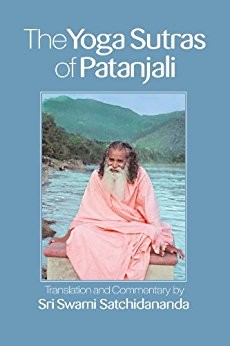
This classic book, written over 4,000 thousand years ago, is one of the most important texts on yoga philosophy today. The Sutras detail ancient yogic philosophy on every day life, ethics, meditation, and spirituality.
The Upanishads is another important and revered ancient text about yogic wisdom and philosophy. Enlightened sages share wisdom about consciousness, spirituality, and a deeper look into the relationship between the Self and the Divine.
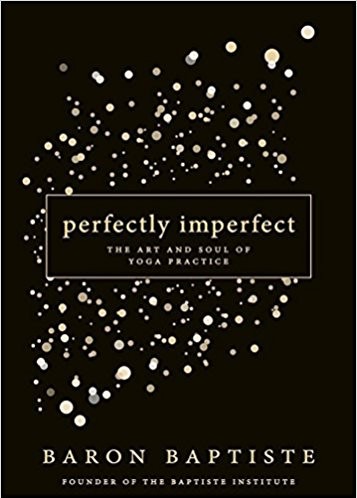
This book by Baron Baptiste, helps yoga practitioners learn important fundamental lessons about yoga. It helps readers understand the true trans-formative aspect of yoga and go beyond what their imagined idea of a “perfect yogi” is. It also hits on points about flowing, dealing with life’s challenges, intuition, and being open to the spiritual and emotional growth that yoga can create for us.
Written by internally recognized experts on Yoga Anatomy, this book is a great reference for yoga practitioners and teachers. It gives readers an understanding of the structures and anatomy of the body. It also explains how anatomy relates to different key yoga poses.
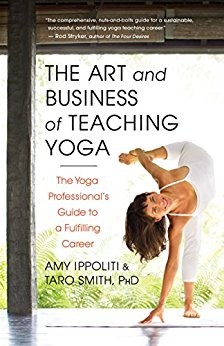
An excellent guide for yoga teachers that details all the different aspects of running a yoga business today. It includes, business basics, marketing, social media marketing, communication, finding new opportunities, and how to run a successful yoga business.
This book is filled with vital topics including yoga philosophy and history, styles of yoga, tools and techniques for teaching, 108 poses, breathing techniques, and class sequencing basics. It’s a great book for new and old teachers, or just practitioners looking to deepen their knowledge.
B.K.S. Iyengar’s book touches on the emotional and spiritual development of yoga. This book is filled with wisdom and stories from his own personal life to reveal the important treasures that yoga helps us to develop internally. It also touches on how yoga helps us to overcome our challenges in life and also leads us on a journey to a deeper sense of wholeness.
One of the most complete books on yoga poses, this book illustrates beautiful photographs and probably every single yoga pose that exists. The book is organized into sections of types of poses including seated, standing, backbends, inversions, and more. It also details modifications, a brief description for each pose, and spiritual associations for the poses.
10. Meditations From The Mat by Rolf Gates and Katrina Kenison This book includes 365 daily reflections as a way to take yoga practice off the mat and into the world. This book really helps to support every yogi in their personal yoga journey through its daily teachings.
Written by internationally acclaimed best seller, Daniel Siegel, this book helps to connect science with mindfulness. It details how mindfulness helps our physical bodies, our overall health, emotional health, and also mental health. It teaches how we can use a more focused mind to improve all areas of our lives.
This book explains how yoga practices can be used to heal a number of common ailments and injuries. Using ancient yoga, Ayurveda and modern medical research, Mark Stephens offers a lot of practical tips that any yoga teacher can use to further their yoga teaching.
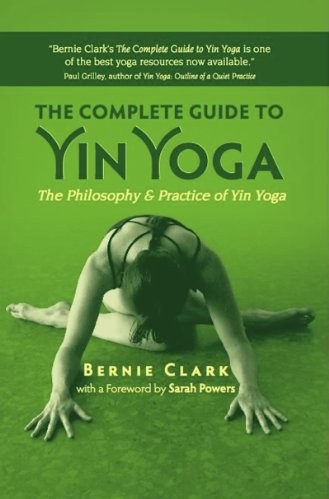
This book offers a detailed look at the practice and philosophy of Yin Yoga. It includes practical techniques, 30 Yin Yoga poses, anatomy, and more. Another must have for yoga teachers looking to deepen their yoga knowledge.
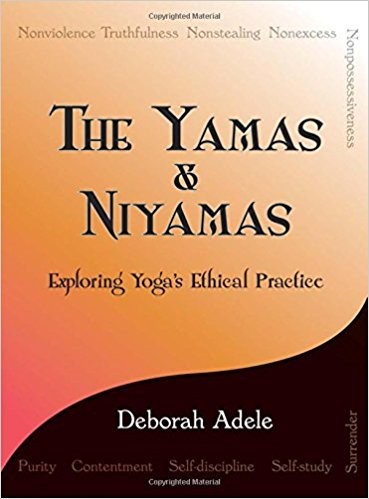
A great resource for yoga teachers, this book is a modern look at the ancient Yamas and Niymas of eight-fold path of the Yoga Sutras. It even offers a self-study section after each chapter that teachers can use for philosophy discussions in their classes.
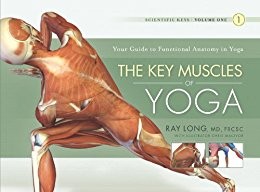
This colorful book offers three dimensional images of yoga poses to detail the different muscles, tendons, bones, and tissues used in each pose. Each illustration also includes detailed descriptions of the anatomy behind each pose. A great visual and educational guide for teachers looking to deepen their anatomy knowledge.
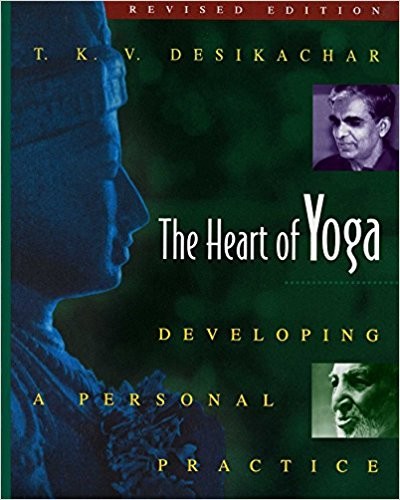
In this book, yogi Desikachar offers his own practical outlooks on yoga poses, breathing, meditation, and philosophy. His book gives us a way to view ancient yoga practices in a way that we can relate to in modern day. It’s a great book that truly gets to the heart of what yoga is all about.
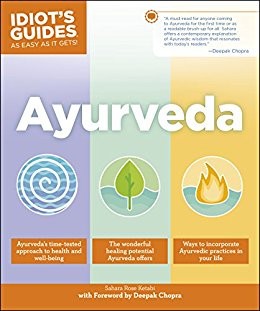
A great book that goes over all the different aspects of Ayurveda including the history, philosophy, and Doshas. The author explains what the ancient practice is, how to use it today, food choices, diet, and lifestyle choices. It also includes healthy recipes and yoga poses for Ayurveda healing.
This wonderfully modern book details how we can use yoga to change the way we perceive our experiences and relationships. It helps us all be able to find ways to integrate yoga into a busy Western world. It is filled with humor and wise teachings that any yogi can apply to their daily life.
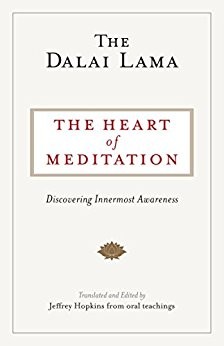
In this book written by His Holiness, we learn about what is truly at the heart of meditation – Compassion. A great edition to a spiritual practice, this book helps to outline how to cultivate and practice more love, kindness, and respect for others.
“Great” can be a subjective term to many people, but in the world of Yoga there are certainly common qualities that make some teachers stand out from others. Here, we’ll run through 11 qualities in snippets that you can incorporate into your classes!
1. Authentic
Great yoga teachers are always authentic in their teaching. This means not striving for perfection, but allowing yourself to just be who you are and show up fully present to your students.
2. Present
Good yoga teachers always teach to who is in front of them and stay present when offering guidance and cues. This means sometimes straying away from a lesson plan to cater to different levels for your students.
3. Communication
Communicating with your students and learning their names is a good way to connect with them. Also using creative cues and language throughout the sequences makes for an engaging class.
4. Versatile
A good yoga teacher is prepared but is always flexible in their teaching style and sequences to cater to students of different levels. Thinking outside of the box in your classes can help to bring flexibility and creativity to your sequences.
5. Personality
Being personable, warm, open, and inviting will help your students to connect with you and also help you build your class audiences. Teachers who are warm and always smiling make students feel welcome and safe in class.
6. Prepared
A great teacher is always prepared for class by creating lesson plans in advance and rehearsing teaching cues before classes. Being prepared will lead to your success as a yoga teacher. As a teacher you should always arrive early to class to help set up the room if needed.
7. Honesty
Honesty is key to being a great yoga teacher. Always be true to yourself and your students. If there is ever anything you don’t know, be honest with your students and let them know you will help them find the answers together.
8. No Ego
Checking your ego at the door is important as a yoga teacher. Even if you might know more than your students, always be humble and kind when offering adjustments or yoga tips. Also keep in mind even as a teacher, you will always be a student first and always be learning something new.
9. Inspiring
A great teacher knows how to inspire and empower their students to evolve and grow in their practice. This could be from offering inspiring stories, quotes, or inspiring sequences. Going above and beyond in class preparation to make your classes inspiring will help you be a successful teacher.
10. Passionate
Having a love of yoga and being truly passionate about it will show in your classes and to your students. Always be learning as a teacher whether its from reading books, attending classes with other teachers, or workshops. Your passion and knowledge will really inspire your students.
11. Share Knowledge
Sharing knowledge is such an important role for yoga teachers. Sometimes it’s when you are explaining the importance of a pose, you could be answering questions for your students after class – your gift is sharing the beautiful practice of yoga to your students.