Category

Yoga Lifestyle

4 Ways To Overcome Emotional Triggers Though Yoga

By Wellness, Yoga LifestyleNo Comments


Literally, sometimes it comes on like a wave. Completely unexpected. Uncalled for. And truly throws you into an internal and external fit of not knowing what to do. Have you ever had this feeling come on while watching the news about a particular crime? Or maybe while reading someone’s personal story about a trauma they’ve experienced? Or maybe you’ve had this unexpected feeling come on while in conversation with a colleague who holds limiting perceptions of particular groups of people, or even at lunch with your mother because she thinks you could be doing better.

And just maybe, you’ve had this feeling in a yoga class, right at the end when you’re being asked to close your eyes and take Savasana in a room of strangers.

Do you know what I’m talking about? It’s called being triggered. That wave of unexpected, unsettling, consuming rush of anxiety, panic, fight or flight is called being triggered. EVERY SINGLE ONE OF US HAS FELT TRIGGERED! And it’s okay and there is no shame in feeling triggered.

Here’s the thing about being triggered – we have conscious and unconscious understandings of what triggers us. I know from my personal experience, my mother’s way of genuinely expressing interest is to ask me a lot of questions and give me new things to think about in an effort to push me to new heights.

Although I am aware of how my mother expresses interest and support, in my mind, I hear her questioning nudges as, “I am not good enough. She knows I’m not good enough and is telling me so right now. And any successes I’ve had to date are meaningless because I need to be doing more.”

My mother without knowing unearths that wave of triggering emotions and one of two things happens: I shut down and push her away, or, I lash out at her and do my diligence to try to make her upset. Neither of these are good strategies for me or her.

The thing about feeling triggered is someone or something is able to unearth a feeling we haven’t quite dealt with or have made a choice to suppress. In my case, the feeling is insecurity and a sense of low worthiness or low value ascribed to my successes.

Now, I recognize having this conversation with my mother would be beneficial for both of us (and when she reads this, naturally a conversation will ensue). But, I have to stop and take care of myself first, before I can have an effective conversation with my mother or anyone who causes me to feel triggered (or to deal with an event that caused me to feel triggered – like being in a room of strangers with my eyes closed during Savasana).

So how do I that? Yoga! All of the yoga! Sure, going to a power yoga class will make me feel better. But, feelings of being triggered can linger on after I attend a class.

These triggering emotions are necessary, as Thich Nhat Hanh, spiritual leader and Buddhist monk, teaches us. He teaches us that these emotions arise and need to be treated with the same love, care, and affection as you would treat a baby. Once we learn to accept and treat our emotions with loving kindness, their power fades and an emotional healing process can begin. Remember – there is no personal growth without discomfort.

Here are four meditation and pranyama practices I do when I notice my triggers. Next time you feel yourself being triggered emotionally, you can easily do one of these practices in your office, your car, at home, or anywhere else you choose:

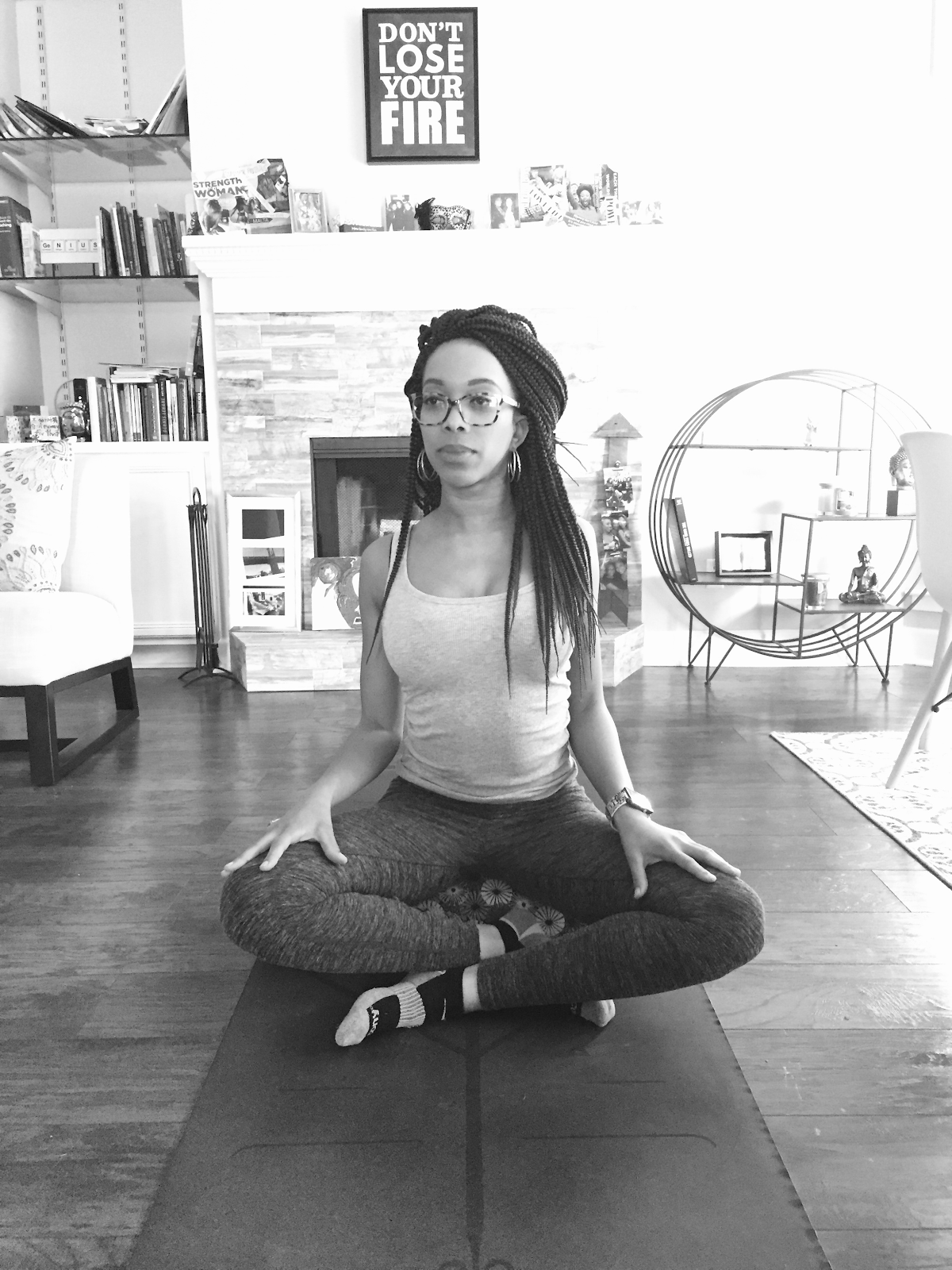
1. Loving Kindness & Self Love Meditation

Begin in a comfortable seated position (in a chair, on bar stool, on a bolster, wherever), with your eyes preferable open. Fix your gaze on something and place one hand on your heart and the other on your belly. Breathe in deeply through your nose and as you exhale, audibly let the air out of your mouth. Do this about five times. As you engage in this breathing exercise say to yourself the following mantra, “I am light. I am love. I am okay.”

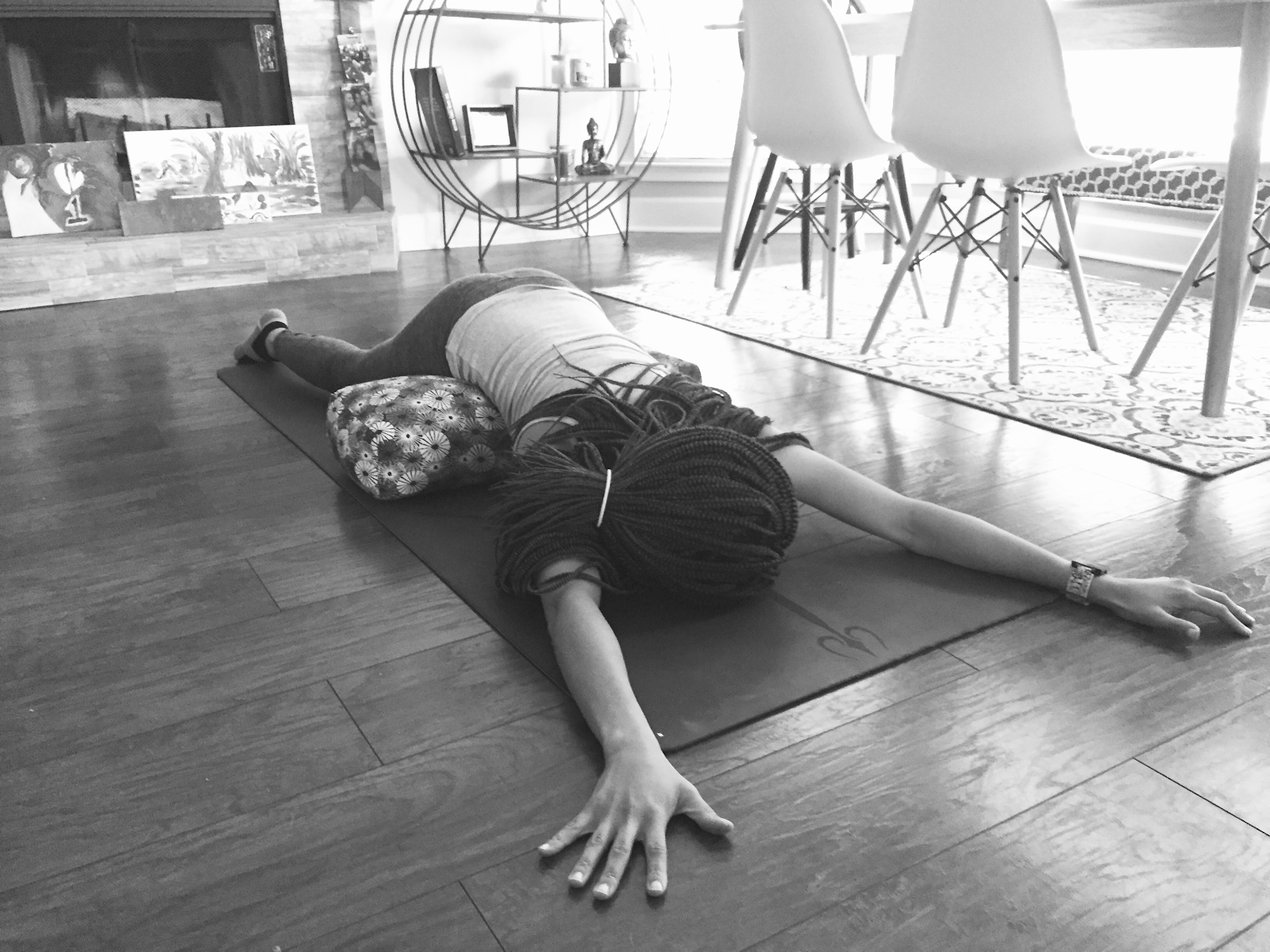
2. Power In The Present Moment Meditation

Begin lying on the floor face down and place a bolster or a thick pillow underneath you – right around your navel (solar plexus chakra). Next stretch your arms out overhead and take a V-position with your legs. You want to resemble a starfish on your stomach. Turn your head to one side (with eyes opened or closed), breathe in through your nose and hold for a slow count of four, and exhale out of your mouth for a slow count of four. While in this pose say to yourself the following mantra, “Today is today. Tomorrow is tomorrow. I am in control of my present.”
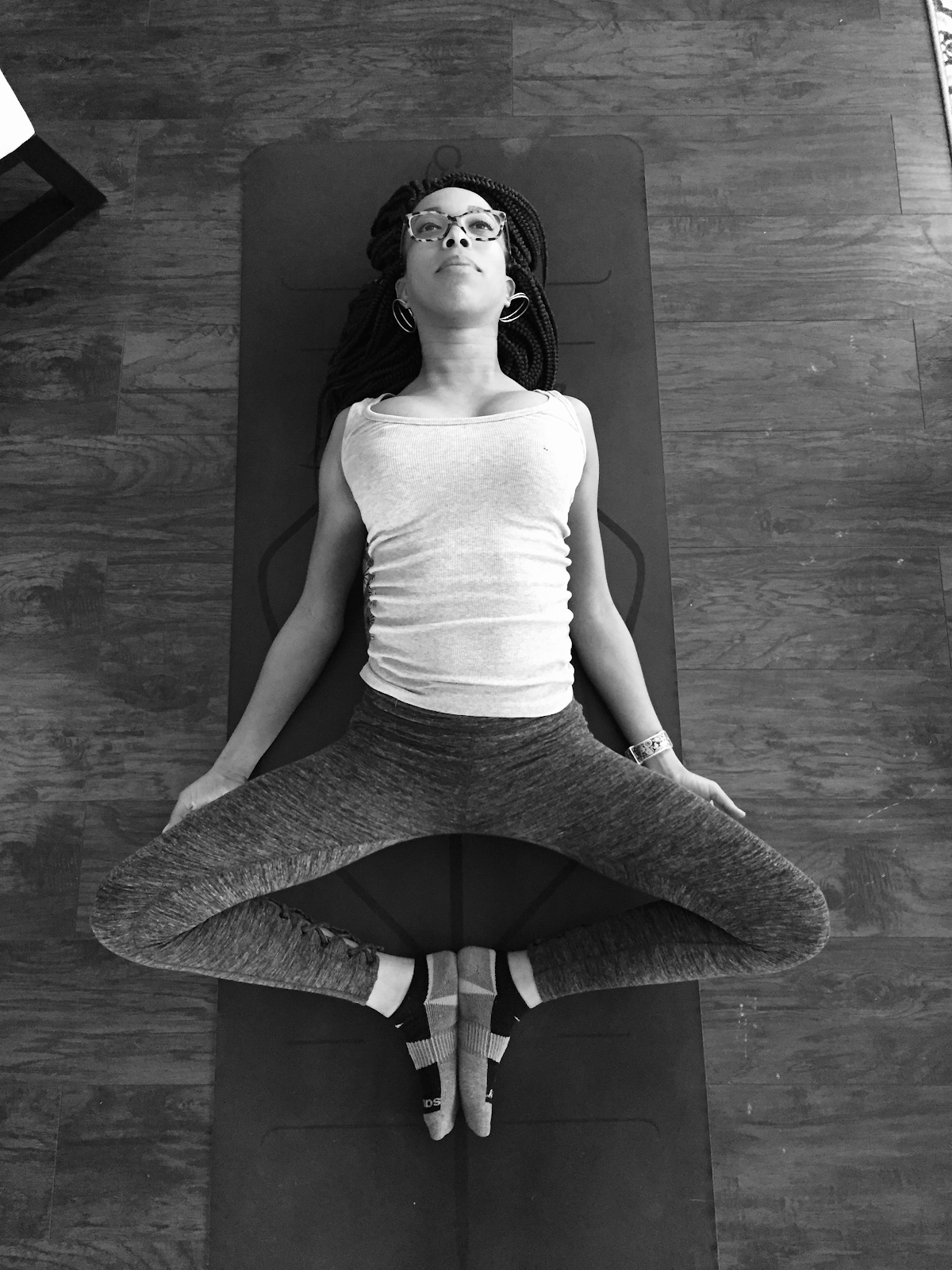
3. Acceptance Meditation

Take Supta Baddha Konasana or Reclining Bound Angle pose with a bolster or thick pillow right between your shoulder blades. Place your arms out to the side (If you are at work or somewhere you can take seat, take this pose by placing both hands behind you on your low back, puff your chest out, and lift your head towards the ceiling).

While in this position, choose a fixed point on the ceiling and see who or what it is that has triggered you. Next, speak into the silence, “I feel triggered because…Although, I feel triggered, my heart is open to my discomfort and I am okay.”
4. Inner Strength Meditation

The last and final pose, I find to be helpful when I’m feeling triggered is taking a power stance. The pose is similar to Extended Mountain pose or Upward Salute pose, but instead you look like a vertical starfish. To do this, take your arms overhead, spread wide, and stand firmly grounded with your legs hip width apart. Take a slight backbend and allow your heart to shine towards the ceiling. Bring to mind what has just triggered you – take a deep inhale and audibly exhale. Say to yourself, “I felt triggered because…but, I am taking my power back. I am love. I am power.”
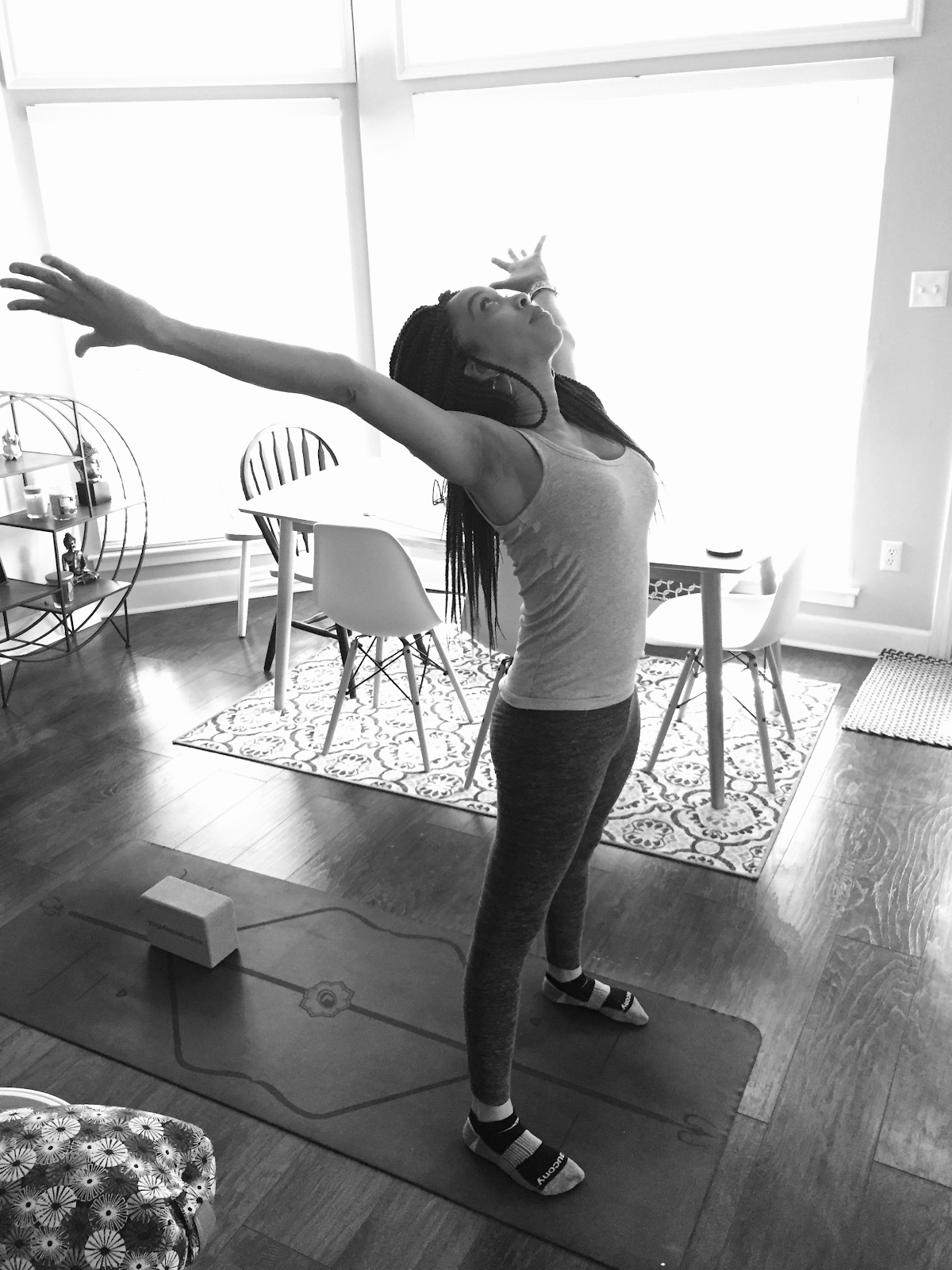
Treat what triggers you with love, patience, and understanding because you are okay and you are powerful!


Valin S. Jordan Ed.D. is an Assistant Professor of Diversity Education at University of Louisiana at Lafayette. Dr. Jordan’s work focuses on teacher identity and narrative as having particular implication for classroom practice. Dr. Jordan engages in contemplative pedagogy through the practice of yoga, she has founded an organization called, Yoga4SocialJustice. The organization is committed to mind and body connection through engagements of social justice and equity principles. More information can be found on Instagram @yoga4socialjustice or on the website https://www.yoga4socialjustice.org/.
How Yoga Saved Me From Narcissistic Abuse

By Yoga, Yoga LifestyleNo Comments


How Yoga Saved Me From Narcissistic Abuse
And How It Can Help You With Anxiety/PTSD


Yoga has the power to empower and inspire people all over the world. For me, it helped save me from narcissistic abuse. When I was 14, an abuser came into my life. At that stage in life, I was a young teen. I was young and impressionable and felt like the world was against me. It was then that a 20 year old man came in like a knight in shining armor; he seemed to understand me and made me feel special.
I could write a book about the following 17 years and the hell I went through.

At a young age, he started to control and shape my very opinions. He wouldn’t allow me to make any decisions and if I tried, he’d become upset and made me feel worthless for it. As the years went on, he shaped every thought and opinion I had; including controlling relationships with my family and friends. He also kept me powerless by controlling my own money. He would guilt me into spending my money for his needs – even though he made MUCH more then I – until I didn’t have enough to make ends meet. Then he’d give me just enough to get by so that I financially relied on him. He had to know everything I did and everywhere I went. He also made it so that eventually he was all there was, all I had, and all I could trust. This man even shaped my opinion of God so that I no longer trusted in a loving higher power.

During this time in my life, I lived in a state of state of anxiety so high – wanting to please him and feel like I was enough. I struggled with agoraphobia, panic attacks, and PTSD, all the while he convinced me these things came because I was weak, not because he took away every ounce of strength I had. I survived on medications, social avoidance, and walked through life like a miserable and broken puppet on a string.

Friends, family, even therapists tried to make me see what was happening to no avail. I was brainwashed. I was held hostage in an emotional prison of his making that there was NO escape hatch from.


Many things happened at once to have finally given me the strength to break free but the one I must give the most credit to is YOGA.

I started doing Yoga through online videos. Then I made a friend at work that fueled my interest more. As I gained a sense of accomplishment through learning new physical positions – my confidence in myself began to grow. I became more involved in this gentle exercise and before I knew it, I’d began to find my own inner light. I found that for the first time in my life, I had an identity on my yoga mat that was my own. I had a self-esteem that was built from within and not dependent on this abuser’s opinion of my self-worth. I even began to rebuild my faith in a higher power.

Eventually I learned to bring what I gained on the yoga mat into my life, and I found the strength to break off my relationship with my abuser. We’d broken up many times over the years but it was always him doing the breaking up and me doing ANYTHING I could to get him back. How VERY empowering that I had the power now. He still stayed in my life as a friend, however I did my best to distance myself from him.

When I began the yoga teacher program, I didn’t tell him. I recognized his power to shape my opinion and I didn’t want to risk his influence. I wanted SO badly to prove I could do this on my own. That I could accomplish something without him. And I did!

It was shortly after I gained my yoga teacher certification that he left again. This time however, due to the inner strength I’d cultivated through my yoga practice and new found self worth nurtured from my time on my yoga mat, I was no longer dependent on him. When he disappeared from my life this time as a “punishment,” refered to as ghosting — I happily let him go and in my now open heart wished him well.

I still find insecurities and anxieties from the years of gaslighting from a narcissistic abuser — but I now know I have the space and ability to work through them and most importantly; to heal. What’s more, I have the ability to share them with you now.

How To Use Yoga To Work Through Anxiety & PTSD

Mental health struggles such as anxiety and PTSD rob us of our sense of safety and identity. By regular practice on our mats we can create a safe space to let go and just be. As cliche as “let go” and “just be” have become, they are truly the foundation I’ve built on for finding myself again.

A Meditation for Self Acceptance

Find a comfortable position on your mat in Easy pose or Savasana with your spine straight. Take some long and deep cleansing breathes in and out. Allow yourself to focus the sensation of the air going in and out of your lungs.

On your third inhale, hold the breath — and in pause between inhaling and exhaling allow yourself to fully release all false beliefs, fears, and insecurities you’re holding onto. As you exhale, feel all those negative energies leaving your body through your breath.

On your next inhale, feel how much lighter your energy feels. Repeat this, and continue using the pause on every third breath to release things that no longer serve your higher good. Do this for as long as you need. On your last exhale, smile knowing you are free from all things that are not true to your happiness.

It’s ok if this exercise makes you emotional. If you feel angry, sad, feel the need to cry, or scream – accept it and allow these emotions to be there. Acknowledge your feelings and let them go. This powerful practice allows your feelings to be validated, while reminding yourself that they do not need to be held onto.

Remind yourself that It’s OK to feel however you feel. Repeat to yourself the following mantra, “I am enough, just as I am.”

You may not always like who you are each day, but that’s OK! Accept yourself AS YOU ARE and know that where you are, is where you need to be on your journey to a better you.

Yoga Poses For Inner Strength

1. Warrior 1 & 2

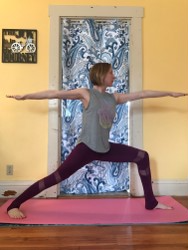
Virabhadrasana or Warrior pose on the physical level teaches us to open ourselves up to the unknown. It also teaches us to improve our balance and to strengthen our foundation by building strength in our feet, hamstrings, glutes and core. These lessons are mirrored internally as we sink into the pose and allow the Warrior inside of us to come forth. This pose also helps us find the balance between yin and yang or strength and vulnerability. It also fuels us with an inner confidence we can lead our lives from.


2. Camel Pose

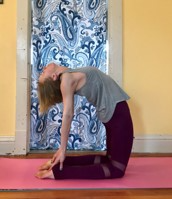
In Ustrasana or Camel pose, we allow ourselves to open up our chakra or energy centers to clear away blockages especially in the heart center and solar plexus. It is in these two chakras where we house our love and our personal power. In this pose, we are vulnerable but not unprotected. Camel pose reminds us that we can have an open and inviting heart, while still being able to function within our own power and set safe personal boundaries.


3. Tree pose

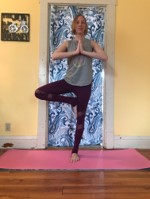
In Vrksasana or Tree pose we learn to be honest with ourselves to find our own personal balance required to hold ourselves upright in this challenging times in our lives. Tree pose gives us a chance to look within and accept our truth. It also encourages us to act from that place of truth we discover from within ourselves. When we can learn to honor ourselves in this way – no one can dishonor you.


Above all else, be patient and kind with yourself. Some days will be harder then others. Some days will be easier. You didn’t get to today by being weak or giving up, you got here because you are strong, and beautiful, and SO very worth all of your efforts.

Love and Light,
Corbi

I’m Corbi Hickman, a 33 year old psychiatric RN, mother to a beautiful 7 year old daughter, Reiki practitioner and recent graduate of the 200 HR YogaRenew Teacher Training program. I’ve recently started my own freelance Yoga and Reiki Business called White Phoenix Yoga and Reiki which you can find on Facebook and will be launching my own blog soon (stay tuned!) I’ve had so many ups and down in my life and am blessed with a family and an inner strength that has helped see me through it all to brighter days. My HOPE is to show others that they too can rise from the ashes of whatever they’ve been through and come out the better for it.

Namaste

5 Ways To Cultivate Self Love Through Yoga

By Yoga, Yoga Lifestyle, Yoga PracticeNo Comments


“You yourself, as much as anybody in the entire universe, deserve your love and affection” – Buddha

With the celebration of Valentine’s Day this week, we often correlate Valentine’s Day with love for others. While our relationships with others is an important aspect of love – the most essential type of love is often overlooked — self love. I’ve created this guide to help you get in touch with and cultivate the most important relationship you will ever have – with yourself.

Yoga practice is an excellent way to reconnect with ourselves and boost our self worth. Yoga allows us the time to just be ourselves and be fully present in our bodies with no judgments. It gives us the time to be still and care for ourselves deeply – in mind, body, and soul.

Self love is about taking the time to celebrate and love yourself fully. It’s about removing negative self talk and reminding yourself just how truly awesome you are. Self love is about taking time to care for yourself and recharging when you need it. It’s also about reminding yourself that when you do love you more fully – you not only fill yourself up with more love — but that love begins to spill over and radiate out into the world.

Here are 5 simple ways that you can start cultivating self love today.

1. Take Time To Celebrate Yourself

Cultivating self love allows us to let go of our negative self talk. It gives us the opportunity to reframe and see ourselves in a more positive light. We tend to focus on the things we do wrong or our regrets instead of focusing on our accomplishments and successes.

Practice acknowledging all the amazing things you do or wonderful things that you love about yourself. You could do this by writing down a list of things you love about you in a journal. These things could be physical things, accomplishments, or traits you love about yourself. Look at your list often and take time to meditate on it frequently.

Here’s a great ‘celebrating you’ meditation you can do easily anywhere:

Celebrate Yourself Meditation: Begin lying down or sitting in a comfortable position. Bring your attention to your natural breathing cycle for about a minute; just simply observing it – not trying to change it in any way. Next, bring to mind 15-20 things you love about yourself. As you bring these things to mind, imagine feeling that love and appreciation in your heart for yourself radiating outwards into the world. Stay in this meditation for as long as you’d like.

2. Give Yourself ‘Me Time’

Many of us live busy lives in which we have numerous responsibilities to others; this includes our relationships to our loved ones, children, or our jobs. We sometimes focus so much on giving to others that we forget to give to ourselves – making us feel drained. Remind yourself the more you fill up your own cup with self love, the more love you’ll have to give to others.

Here are some ideas for your next ‘me time’:

• Meditate daily

• Practice pranayama or deep breathing exercises

• Cook and eat a lovely meal for yourself

• Take yourself out on a date

• Go for a relaxing walk

• Listen to soothing music

• Exercise

• Buy yourself flowers

• Book a massage or spa appointment

• Enjoy a nice warm cup of tea or coffee

• Read a book

• Write in a journal

• Take a long relaxing bath

• Enjoy a glass of nice wine


3. Practice Self Love Affirmations

Practice saying positive things about yourself through daily affirmations. Affirmations are a powerful practice that can change your belief systems on a deep subconscious level. Write down a few of your favorite affirmations on a sticky note and put them in places where you’ll be reminded daily. You can even make a reminder on your phone and affirm these to yourself several times a day. You could also set aside 5-15 minutes to sit in stillness and repeat the affirmations in meditation.

Here are some affirmations you can use to boost your self love:

• “I am more than enough”
• “I love myself fully and completely”
• “I accept myself as I am”
• “I love myself unconditionally”
• “I love my body and all that it does for me”
• “I am worthy of all the love, joy, and abundance in the world”
• “The only approval I need for myself is my own”
• “I release any negative judgments I have about myself”
• “I love the woman or man that I am”
• “I am strong, powerful, and full of radiant energy”

4. Set Healthy Boundaries For Yourself

Self love means setting healthy boundaries for your and knowing what your core values are. Remind yourself that you don’t need anyone else’s approval but your own to live your best true life.

Setting boundaries sometimes means letting go of negative situations or people in our lives. Meditation helps us to be more aware of our emotions and things in our lives. Take time to sit in stillness and allow your inner wisdom to guide you. If something is draining you or taking away your joy, have the courage to remove it from your life.

5. Yoga Sequence For Self Love

Practicing self love is a very soothing practice that requires surrender and peace. It’s also an empowering act that gives us strength and courage. To sequence yoga poses for self love, consider calming yoga poses combined with power poses.

Here we’ve created a mini self love sequence you can do at home easily:

Child


Delve into self acceptance and self love through the surrender of Child pose. As you hold this pose for up to a minute or longer, repeat the following mantra to yourself; “I am enough.”

To do this pose, begin on your hands and knees. Sink your hips back towards your heels and reach your arms forward. Relax your belly onto your thighs and rest your head towards the mat. Keep length in your spine and relax your neck. Hold and breathe, feeling yourself sink deeper towards the earth with every exhale.

Goddess


Get in touch with your inner Goddess or God with Goddess Pose. This power pose helps to elicits a feeling of strength and confidence. As you hold this pose using your breath, repeat the following mantra’ “I am strong and worthy”.

To come into Goddess, from Mountain pose, step your feet wide a few feet apart, turning the toes out slightly towards the outer edges of the mat to about 45 degrees. Bend your knees and come into a wide squat, working to get the your thighs parallel to the mat. Keep your knees pointed in the same direction as your toes. Hold for several breaths.


Warrior 2


Discover strength and inner peace with Warrior 2. As you hold this pose, repeat the following mantra to yourself; “I am worthy of all the love and joy in the world”.

To come into Warrior 2 from Mountain pose, step your feet apart 3 and a half to 5 feet apart. Point your front toes 90-degrees toward the front short edge of your mat and your back foot slightly in about 45-degrees. Lift your arms up bringing them parallel to your mat and bend your front knee stacking it over your ankle or slightly behind it. Hold for several breaths and switch sides.

Pigeon


Pigeon pose is a deep hip opener that creates a deep sense of surrender in the body. It also helps calm the mind and soothe the soul. As you hold this pose for up to a minute or longer on each side, say to yourself with every exhale, “I accept myself fully as I am”.

To do Pigeon pose, from a tabletop position, bring your right foot in and place it down on your mat behind your right wrist. Adjust your shin so that it’s comfortable for you. Extend your left leg back on the mat. Come up onto your fingertips and walk your torso slightly up with the chest lifting and broadening. Stay here or to deepen the pose, begin to fold towards the mat keeping your spine lengthened. You can choose to come onto your forearms or rest your head on top of a block. To further deepen, you can bring your forehead down towards the mat and extend your arms out in front of you – with your palms facing down.

Savasana

Savasana is the ultimate relaxation pose in yoga. Use this time to cultivate self care and love for yourself; staying here for up to 20 minutes or longer. You could enhance your Savasana practice by dimming the lights, lighting candles, and playing soft ambient music. You can even use aromatherapy to further induce inner peace; Rose, Jasmine, Bergamot, and Sandalwood are great essential oils to use for self love care.

To do Savasana, come down onto your back and relax your arms and legs out comfortably. Allow your palms to gently open up towards the sky. Close your eyes and relax the muscles in your face. Let your breath be soft and natural as you just allow yourself to release and enjoy the moment. Remind yourself that by giving yourself this time to reset, you’ll be able to give more of yourself to others. Stay here for as long as you’d like.


Understanding Social Justice Through Selflessness

By Yoga, Yoga LifestyleNo Comments


We learn a lot through the practice of meditation, mindfulness and yoga. We learn how to use our breath to support us through difficult moments. We learn how to set our drishti to keep us balanced on and off the mat. We learn how to set an intention and stick with it. But, one principle that I find we aren’t readily learning through the practice of yoga is seva. Seva being the Sanskrit term for selfless service. Now, I can argue all day that there really isn’t a such thing as a selfless service – if you feel good about what you’re doing, then it’s not selfless, because the reward is the good feeling. Or you may receive praise for your “selfless” act, and well, the second you receive praise there is an outcome for the individual who did a good and “selfless” thing. But, I digress. Let’s focus in on this concept of seva for what it actually means, a selfless act and let’s couple it with what’s necessary for social justice.

Social justice is about creating fair and equitable treatment for groups of people who experience unfair, inequitable and injust experiences due to social issues related to race, class, gender, religion, sexuality, etc. For most of us, the kneejerk selfless action is to donate money, donate time (i.e. volunteering), donate clothes, etc. – essentially, to donate and be giving – which is great. But, this does not create justice. This is charity. Justice starts with understanding what the inequities are, challenging our perceptions, notions and ideologies about those inequities, and moving forward to changing the dynamics of the system that continue to operate to create inequity or injustices. Justice is voting. Justice is creating policy. Justice is advocating for those who are voiceless or without the “power” to advocate for themselves. Justice is keeping your eyes and ears open, rather than turning a blind eye or deaf ear. This requires more than a donation or volunteering of time.

Selflessness must start with some focus on the self. In order for there to be growth or social change, each and every individual must be willing to drop what they think they know and begin to learn about and challenge the systems that privilege some and do not privilege others. As a starter to selflessness, we have to be willing to get a bit uncomfortable with ourselves and unlearn what we are holding onto about particular groups if we are hoping to see change for that group. In order to truly do good this society, selflessness requires deep self reflection and self-inquiry, an understanding of ourselves, before we can even attempt to give anything to someone else. Think about what you hear on an airplane: “put your oxygen mask on first, before you help your child or neighbor.” The truth in this statement isn’t about saving yourself first, the truth in this statement is, we aren’t any good to anybody else, if we don’t take care of ourselves first. Similarly, there is no good to be done with regards to social change or social justice if we haven’t done the necessary work to unlearn and challenge our perceptions, notions and ideologies about particular groups of people and what they need, rather than what we think they need.

So, consider doing things a bit differently, rather than assuming you know what’s needed or that your service is selfless. Social justice and social change requires people who are willing to say “I don’t have the answers, but I’m willing to learn and grow so I may be able to do better by others.”


Valin S. Jordan Ed.D. is an Assistant Professor of Diversity Education at University of Louisiana at Lafayette. Dr. Jordan’s work focuses on teacher identity and narrative as having particular implication for classroom practice. Dr. Jordan engages in contemplative pedagogy through the practice of yoga, she has founded an organization called, Yoga4SocialJustice. The organization is committed to mind and body connection through engagements of social justice and equity principles. More information can be found on Instagram @yoga4socialjustice or on the website https://www.yoga4socialjustice.org/

2 Simple Vegan Soup Recipes For Fall

By Healthy Recipes, Yoga LifestyleNo Comments


Boost Your Immunity with 2 Simple Vegan Soups This Fall Season

Stay healthy this fall season with two simple vegan curry sweet potato soups. Both of these recipes are rich and flavorful – and loaded with immune boosting nutrients your body needs this cold season to fight off colds and infections. Studies have shown that a plant based diet can do wonders to your health including, reducing your risk of cancer, lowering heart disease, reducing high blood pressure, boosting your gut health, maintaining a healthy weight, and improving your immunity. Something as easy as adding just one plant-based meal to your weekly dinner rotation can improve your health. Eating vegan also doesn’t have to be complicated or take too much time to prepare. The easy soup recipes below take less than 30 minutes to make with minimal prep work. They can even be made ahead of time and enjoyed throughout the week. Enjoy these soups on a cold fall day after yoga class and a warm bath, for dinner time, or even lunch time. Enjoy dear yogis!

Namaste,
Christa Clark

Creamy Curried Sweet Potato Soup

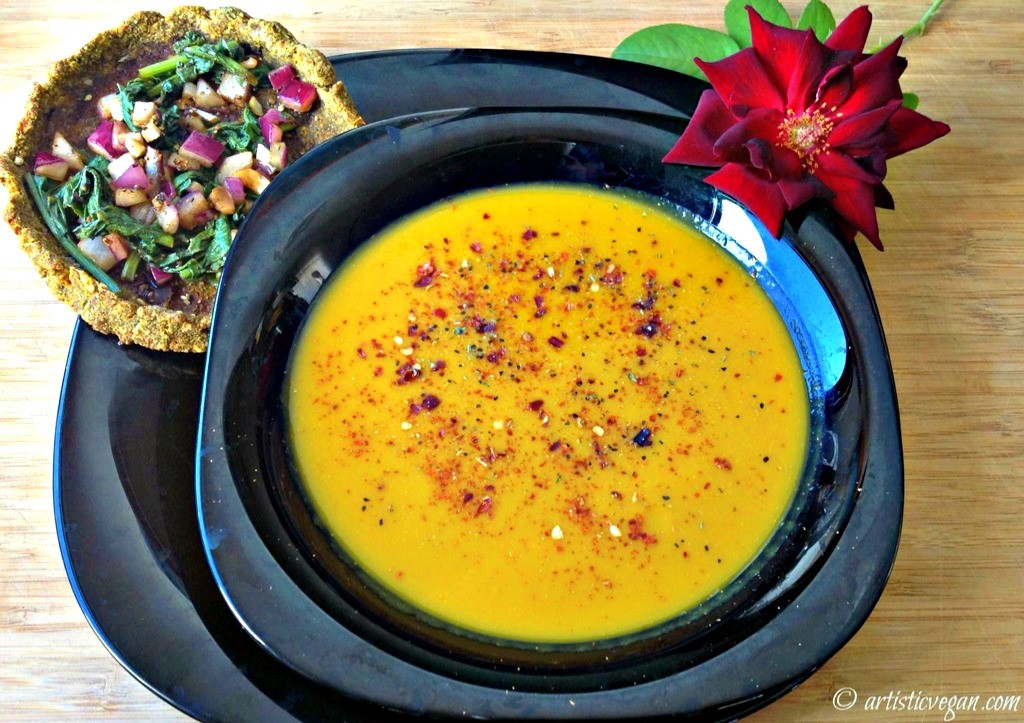
Easy Vegan Soup Recipes 20 Minutes For Fall - Yoga

This delicious creamy soup will warm you up from the inside out, making your belly and body smile! Sweet potatoes are naturally loaded with lots of Vitamin A, which helps to fight off infections. The radishes in this soup are high in Vitamin C, which also powerfully detoxifies your body to promote a healthy immune system. We add in curry powder, a powerful antioxidant for cancer and also for fighting off bacterial infections. We combine all of these amazing powerful foods to create a magically delicious and healthy soup!

Creamy Curried Sweet Potatoe Soup | Makes 6 + Servings

Prep Time: 5 Minutes
Cook Time: 20 Minutes


Ingredients:

  • 2 tbsp coconut oil (or veg broth for oil free)
  • 2 sweet potatoes, peeled and cut into chunks
  • 7 radishes, sliced and diced
  • pinch of salt
  • 1 tbsp curry powder
  • 6 cups water
  • 1 tbsp soy sauce (tamari or coconut aminos)
  • red pepper flakes and black pepper to taste

Peaceful Preparations:

  1. Heat the oil in a large saucepan or pot over medium heat. Next, add the sweet potato, radishes and a pinch of salt. Sauté for a few minutes. Add the curry powder and sauté until coated.
  2. Add the water and bring to a boil. Cover and simmer for 15 – 20 minutes until the veggies are soft.
  3. Blend until creamy with an immersion blender or cool and use a blender in batches.
  4. Add soy sauce and simmer until heated throughout, about 4 minutes. Garnish with red pepper flakes and black pepper to taste. Serve hot with love!

Curry Sweet Potato & Chick Pea Soup

Easy Vegan Soup Recipes 20 Minutes For Fall - Yoga

This simple, no fuss, Curry Sweet Potato & Chick Pea Soup is a hearty, satisfying, and comforting recipe that will warm you up even on the coldest fall days. This vegan soup recipe is extremely high in fiber and vitamins including Vitamin A, K, C and E. The healthy ingredients included in it all help to boost the immunity, is high in nutrients, and full of powerful antioxidants. The chick peas are also a great source of plant based protein that contain cholesterol lowering agents. The natural protein helps to keep us fuller longer which aids in maintaining a healthy weight and also nourishes our muscles. Over all this soup is a powerful anti-inflammation winner for a healthy mind and body!

Curry Sweet Potato & Chick Pea Soup | Makes 6 + Servings

Prep Time: 10 Minutes
Cook Time: 20 Minutes

Ingredients

  • 1/2 onion – diced
  • 3 medium carrots – diced
  • 3 celery stalks – diced
  • 1 red bell pepper – diced
  • 1 large sweet potato – diced
  • 4-5 cloves of garlic – minced
  • 1″ knob of ginger – minced
  • 2 tsp curry powder
  • 1 tsp Turmeric and Paprika
  • 6 cups vegetable broth
  • 3 1/2 cups chick peas
  • 1 – 170g organic tomato paste
  • salt and pepper to taste

Peaceful Preparations:

  1. Sauté the onions, carrots, celery and red bell pepper for 5 minutes in a medium to large pot with a splash of vegetable broth.
  2. Add the minced garlic and ginger, cook until fragrant, about 2 minutes. Add the curry powder, turmeric, paprika, salt and pepper to taste. Mix together.
  3. Add 6 cups of vegetable broth and the diced sweet potato. Cover, bring to a boil. Reduce heat and simmer, cooking for a total of 20 minutes.
  4. After 20 minutes, remove the lid, add the chick peas and tomato paste. Mix well, cover and simmer for 10 minutes.
  5. Add the 1/4 cup minced herbs, mix in. Serve hot! I sprinkled ours with a touch of salt, pepper, red pepper flakes and a sprig of parsley.

**Note For Both Recipes: You can use what you have on hand.

Guest Post By YogaRenew YTT Graduate, Christa Clark

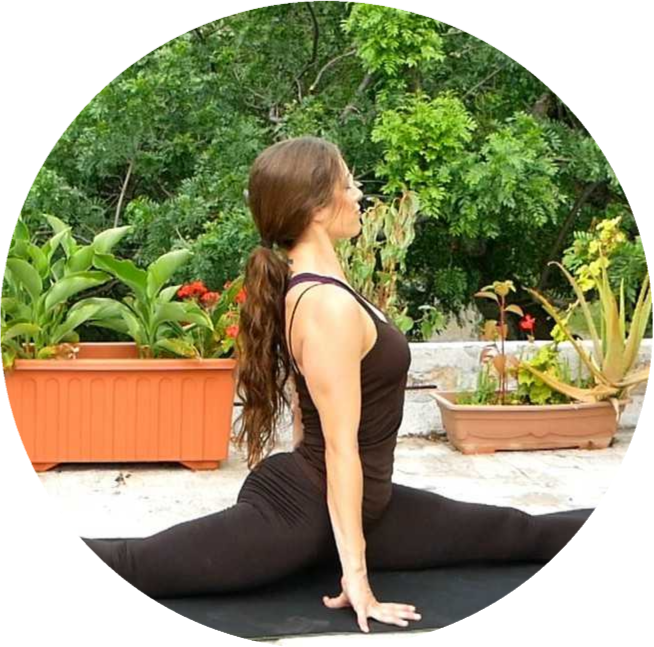
“My name is Christa Clark, I run a vegan blog artisticvegan.com and practice yoga daily. I’ve had a personal yoga practice for over 11 years. I love how yoga has helped me through thick and thin, my mat and breath are always there. I became a structural integrator along the way and worked alongside my husband to open Gravity Body Academy, an online school for structural integration. In that process I fell in love with online teaching and learning. When I found Yoga Renew it felt like the perfect opportunity to become a certified teacher. I loved that I could fit it into my schedule and do it from home. Thank you YogaRenew for turning a dream into reality! I now offer yoga classes on the Artistic Vegan YouTube Channel, at artisticvegan.vhx.tv, and have tons of free vegan recipes at artisticvegan.com.

7 Ways To Find More Joy In Your Life

By Wellness, Yoga LifestyleNo Comments


Finding joy and having a more positive outlook on life is something we all strive towards in our lives. Unfortunately due to life stresses, an ever increasing to do list, and a fast moving society this is difficult to achieve for many. Joy and happiness are traits that are essentially a choice we can make each day. By making the personal choice to choose joy each day, we can take back our own power and ultimately choose the direction of our lives. If we want to have more joy in our lives, we have to be intentional to create this. True lasting joy will never come from outside circumstances or factors but from within.

Here are 7 small steps that you can do to cultivate joy in your daily life starting today.

1. Cultivate Gratitude

Having an attitude of gratitude is the number one thing you can do each day to live a more positive lifestyle. Each day, when you wake up or before you go to bed, make a list of things that you are grateful for and think of why you are grateful for those things. Think about those things as you go about your day. Gratitude allows us to put our life into perspective and create a richer life experience for ourselves.

2. Stop Comparing Yourself To Others

In a world where social media is a big part of our daily lives, it can be easy to fall into the trap of comparing ourselves to others. By doing so, we take away our personal power and find ourselves wishing we had something that another person has. What we need to keep in mind is that what other people portray to the world, doesn’t include any of the suffering or challenges that person may be facing. Challenges and suffering is universal and a normal part of our human experience – none of us can escape it. Let go of any notions you have of what you think you need to be. Strive to only be the kind of person that you would be proud of, regardless of anyone else’s opinion. By doing so, you will find complete and utter freedom in your life.

3. Surround Yourself With Positive People

The old saying goes that you become the 5 people you surround yourself with most each day. Be mindful of your friends and people you interact with daily. Positive people will uplift you and encourage you to be the best you can be. They will also support you and inspire you. Negative people on the other hand, may encourage you to stray away from your personal joy and create negative energy in your life. Take stock of any negative people like this in our life, and make the choice to surround yourself with positive people instead.

4. Do One Thing You Love Each Day

Everyday we may have a list of things that we need to do to accomplish our goals. Sometimes, when making that list, we can omit doing things that truly give us joy. Make a list of things you love to do – this could be something like practicing yoga, writing in a journal, going for a walk, or spending time with a pet. Each day, include one thing from your list of things that you love to do in your daily to do list.


5. Give Back To Others

Giving back from the heart is the greatest gift we can give to others and to ourselves. When we give, it uplifts us and heals our souls. In turn, it helps the other person receiving whatever we give. Find ways to give back to others, whether its through volunteering or just helping a friend in need. Even if you don’t have money to give, just giving your time to others is enough to make a difference in someone else’s life.

6. Meditate Daily

Meditation is a vital part of living a more joyful and positive life. It allows us to get in touch with our inner selves and remove any noise from our minds. It keeps our heads clear and enables us to gain clarity in our lives. It gives us focus to achieve our goals. Meditation also helps us to be more mindful over our thoughts. By meditating, we can be more aware of negative thoughts that we might have and make the choice to turn those negative thoughts into positive ones. Set aside time each day for yourself to sit in stillness anywhere from 5-15 minutes a day

7. Reframe Challenges & Obstacles

We will never be free of challenges or stress because this is a part of our experience as humans. Challenges and stress help us to grow so that we can become a higher version of ourselves. As the old saying goes: “a ship is safe in the harbor, but that’s not what ships were built for.” Our difficulties help us grow, teach us to strive for more, and help to eliminate the trap of complacency.
Learn to reframe your challenges as an opportunity and instead of seeing how awful and hard it is – take time to reflect on how this situation is making you stronger and how you are growing from it.


19 Books Every Yoga Teacher Should Read

By Yoga Lifestyle, Yoga TeachersNo Comments


25 Books Every Yoga Teacher Should Read - Online Yoga Teacher Training Certification

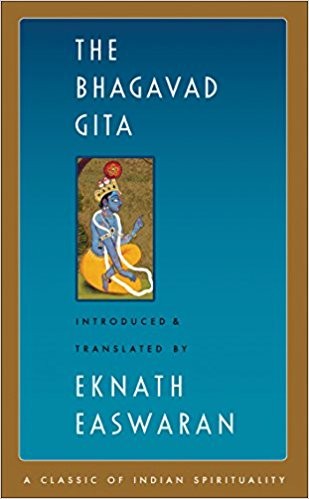
1. The Bhagavad Gita

The Bhagavad Gita is a classic ancient Indian story about a dialogue between Warrior Arjuna and his spiritual guide, Sri Krishna. As Arjuna sets off into battle, he begins to seek answers about important questions about life from Sri Krishna.

19 Books Every Yoga Teacher Should Read Bhagavad Gita

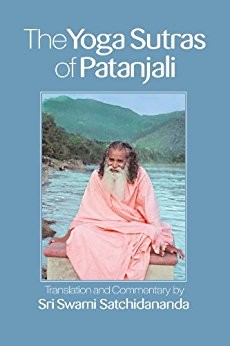
2. Yoga Sutras of Patanjali by Patanjali

This classic book, written over 4,000 thousand years ago, is one of the most important texts on yoga philosophy today. The Sutras detail ancient yogic philosophy on every day life, ethics, meditation, and spirituality.


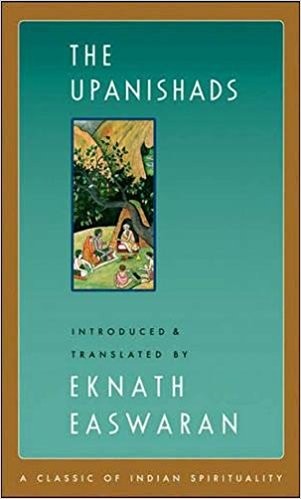
3. The Upanishads

The Upanishads is another important and revered ancient text about yogic wisdom and philosophy. Enlightened sages share wisdom about consciousness, spirituality, and a deeper look into the relationship between the Self and the Divine.

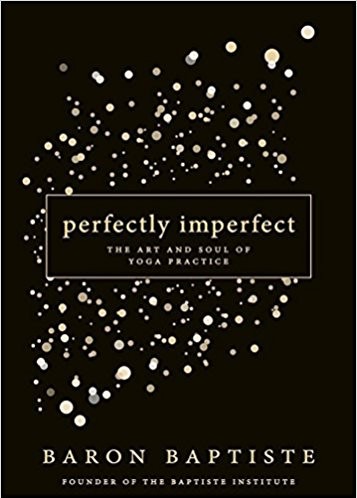
4. Perfectly Imperfect: The Art and Soul of Yoga Practice by Baron Baptiste


This book by Baron Baptiste, helps yoga practitioners learn important fundamental lessons about yoga. It helps readers understand the true trans-formative aspect of yoga and go beyond what their imagined idea of a “perfect yogi” is. It also hits on points about flowing, dealing with life’s challenges, intuition, and being open to the spiritual and emotional growth that yoga can create for us.

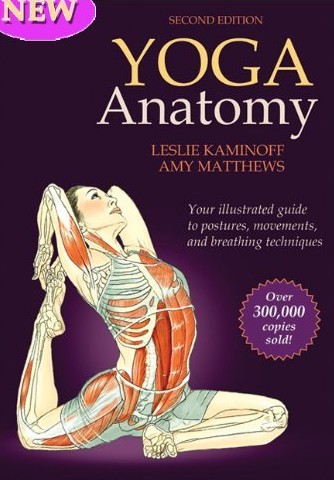
5. Yoga Anatomy by Leslie Kaminoff and Amy Matthews

Written by internally recognized experts on Yoga Anatomy, this book is a great reference for yoga practitioners and teachers. It gives readers an understanding of the structures and anatomy of the body. It also explains how anatomy relates to different key yoga poses.


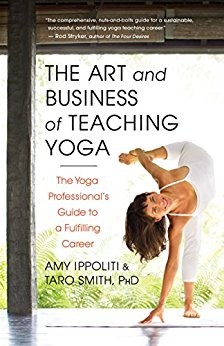
6. The Art and Business of Teaching Yoga by Amy Ippoliti and Taro Smith

An excellent guide for yoga teachers that details all the different aspects of running a yoga business today. It includes, business basics, marketing, social media marketing, communication, finding new opportunities, and how to run a successful yoga business.

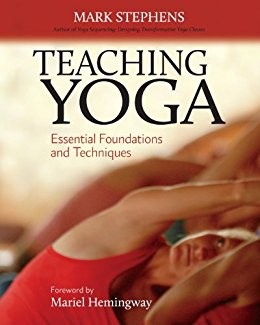
7. Teaching Yoga: Essential Techniques and Foundations by Mark Stephens

This book is filled with vital topics including yoga philosophy and history, styles of yoga, tools and techniques for teaching, 108 poses, breathing techniques, and class sequencing basics. It’s a great book for new and old teachers, or just practitioners looking to deepen their knowledge.

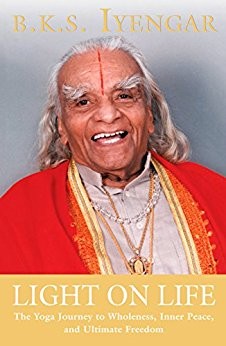
8. Light on Life by B.K.S. Iyengar

B.K.S. Iyengar’s book touches on the emotional and spiritual development of yoga. This book is filled with wisdom and stories from his own personal life to reveal the important treasures that yoga helps us to develop internally. It also touches on how yoga helps us to overcome our challenges in life and also leads us on a journey to a deeper sense of wholeness.


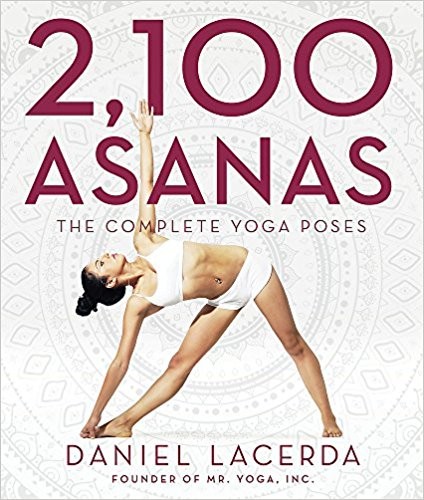
9. 21,000 Asanas by Daniel Larceda

One of the most complete books on yoga poses, this book illustrates beautiful photographs and probably every single yoga pose that exists. The book is organized into sections of types of poses including seated, standing, backbends, inversions, and more. It also details modifications, a brief description for each pose, and spiritual associations for the poses.

10. Meditations From The Mat by Rolf Gates and Katrina Kenison

This book includes 365 daily reflections as a way to take yoga practice off the mat and into the world. This book really helps to support every yogi in their personal yoga journey through its daily teachings.

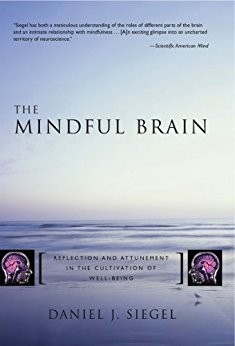
11. The Mindful Brain by Daniel Siegel

Written by internationally acclaimed best seller, Daniel Siegel, this book helps to connect science with mindfulness. It details how mindfulness helps our physical bodies, our overall health, emotional health, and also mental health. It teaches how we can use a more focused mind to improve all areas of our lives.


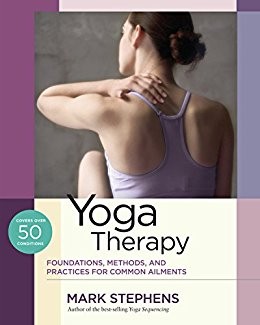
12. Yoga Therapy Mark Stephens

This book explains how yoga practices can be used to heal a number of common ailments and injuries. Using ancient yoga, Ayurveda and modern medical research, Mark Stephens offers a lot of practical tips that any yoga teacher can use to further their
yoga teaching.


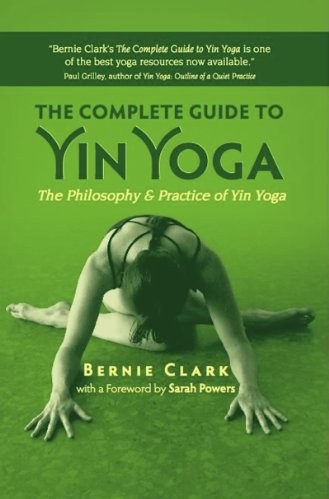
13. The Complete Guide To Yin Yoga by Bernie Clark

This book offers a detailed look at the practice and philosophy of Yin Yoga. It includes practical techniques, 30 Yin Yoga poses, anatomy, and more. Another must have for yoga teachers looking to deepen their yoga knowledge.

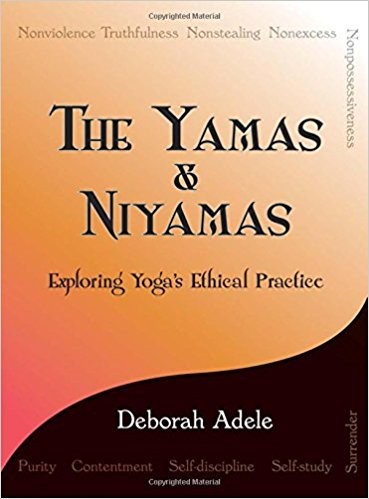
14. The Yamas and Niyamas by Deborah Adele

A great resource for yoga teachers, this book is a modern look at the ancient Yamas and Niymas of eight-fold path of the Yoga Sutras. It even offers a self-study section after each chapter that teachers can use for philosophy discussions in their classes.


15.
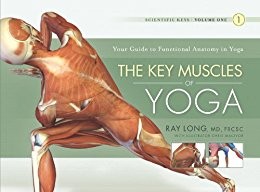
The Key Muscles of Yoga by Ray Long

This colorful book offers three dimensional images of yoga poses to detail the different muscles, tendons, bones, and tissues used in each pose. Each illustration also includes detailed descriptions of the anatomy behind each pose. A great visual and educational guide for teachers looking to deepen their anatomy knowledge.

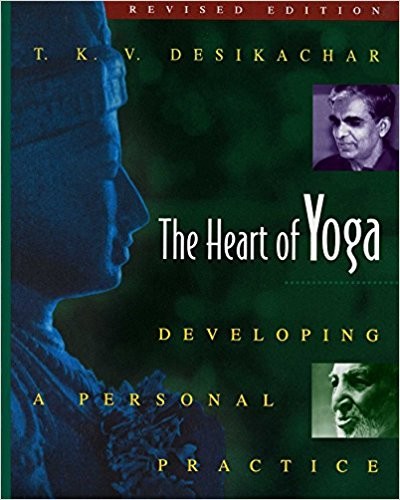
16. The Heart of Yoga by T. K. V. Desikachar

In this book, yogi Desikachar offers his own practical outlooks on yoga poses, breathing, meditation, and philosophy. His book gives us a way to view ancient yoga practices in a way that we can relate to in modern day. It’s a great book that truly gets to the heart of what yoga is all about.

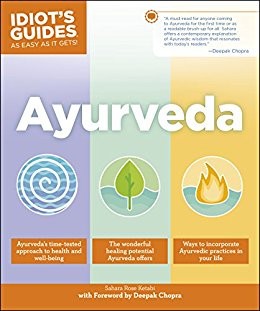
17. Ayurveda by Sahara Rose Ketabi

A great book that goes over all the different aspects of Ayurveda including the history, philosophy, and Doshas. The author explains what the ancient practice is, how to use it today, food choices, diet, and lifestyle choices. It also includes healthy recipes and yoga poses for Ayurveda healing.

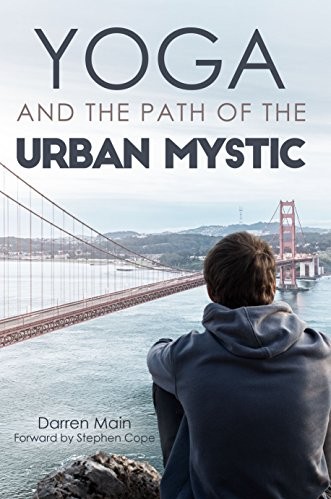
18. The Path Of The Urban Yogi By Darren Main

This wonderfully modern book details how we can use yoga to change the way we perceive our experiences and relationships. It helps us all be able to find ways to integrate yoga into a busy Western world. It is filled with humor and wise teachings that any yogi can apply to their daily life.

19. The Heart of Meditation by the Dalai Lama

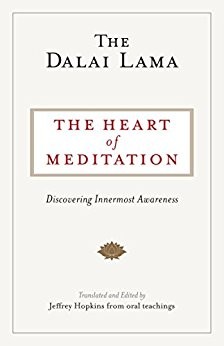
In this book written by His Holiness, we learn about what is truly at the heart of meditation – Compassion. A great edition to a spiritual practice, this book helps to outline how to cultivate and practice more love, kindness, and respect for others.